


.avif)
We’ve previously talked about little ways you show your dog love—but if you’re anything like me, you spend a lot of time wondering if the feeling is mutual. (Good news: It probably is. You’re already a better pet parent than you think!)
Although our pups can’t say “I love you” with words like we can, they get the message across in plenty of other ways. Here are eight healthy behaviors that suggest your dog is just as enamored with you as you are with them. We emphasize healthy for a reason: All these signs hint at deep underlying trust, not just obsession or dependency. I think that’s the ultimate dog-human bond dream.
First: Remember every dog (and relationship) is different
Before we get into our companions’ canine love languages, it’s important to note that no two pups are exactly the same. Just as we humans express affection in various ways—some of us are more effusive with our words, for example, while others have mastered the art of the grand gesture—our dogs have their own individual tendencies.
This means there’s no reason to panic if your pup doesn’t show all the signs on this list. You know your dog best! And keep in mind that our pets’ behavior is influenced by so many factors separate from their love for us—like our unique living situations, surrounding environments, and the personal preferences we teach them over time.
1) Your dog holds eye contact with you
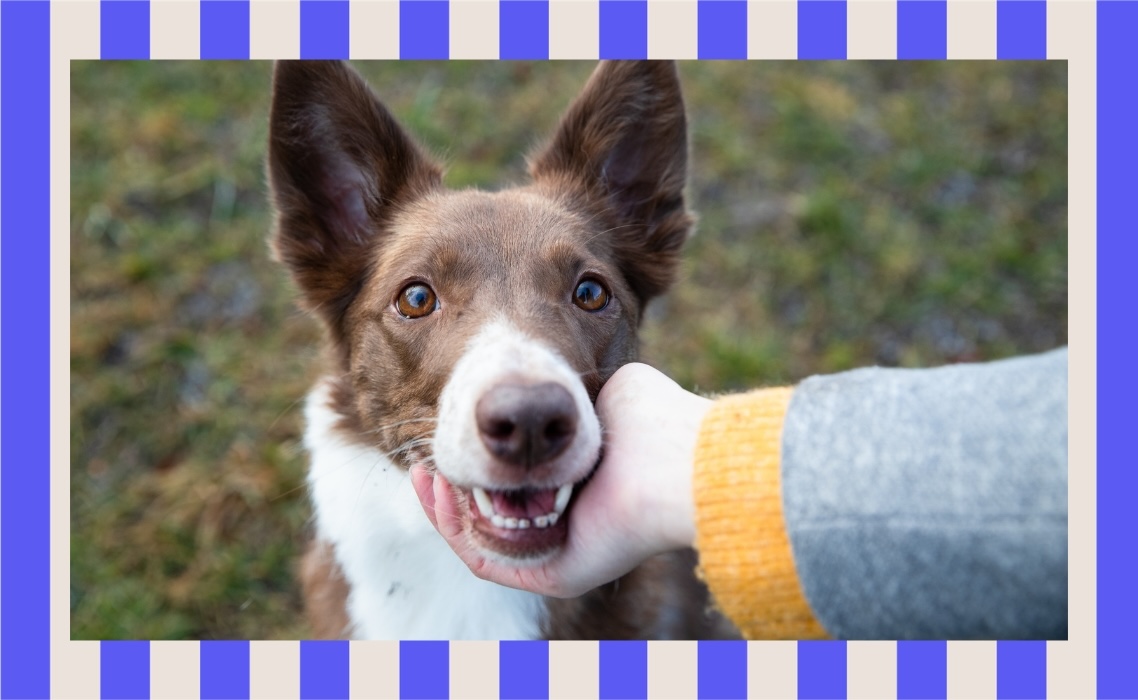
Domestic dogs have evolved alongside people for thousands of years. One side effect of them truly being human’s best friend is that direct eye contact between our species—while often seen as a threat in other parts of the animal kingdom—actually releases oxytocin! (This goes for both ends of the leash. You and your pup experience this feel-good hormone, together.) So if your dog looks right into your soul instead of glancing away, they see you as a trusted figure.
One catch: Prosocial eye contact like this is mutual and takes place in comfortable contexts. If your dog stares hard at other things—say, a squirrel at the park or the mailman out your window—it probably means “I’m on alert!” rather than “I want to connect.”
2) They keep tabs on where you are
A dog who trails you to the bathroom, the kitchen, and back again clearly wants to be near you. Even if your pup sits still when you move about your home, odds are they know where you’ve gone, what you’re doing, and when you might be back. Think about it: We’re the defining feature of our pets’ lives. Our behavior matters to them because we matter to them., so they keep watch on our subtle actions!
How do you know if your dog’s attention suggests devotion or unhealthy dependence? Look at their body language. Sweet shadowing is calm; anxious shadowing is stressed. Then ask yourself what your pup does when you aren’t around. If they’re able to relax without you but prefer keeping you in their sight, that’s completely normal. (To be honest, it’s how I feel about my blue heeler right back!) If they can’t handle alone time, though—common symptoms include pacing, whining, and panicking when you leave—consider chatting with your veterinarian or trainer to help them feel more secure.
3) Your pup lets their guard down in your presence
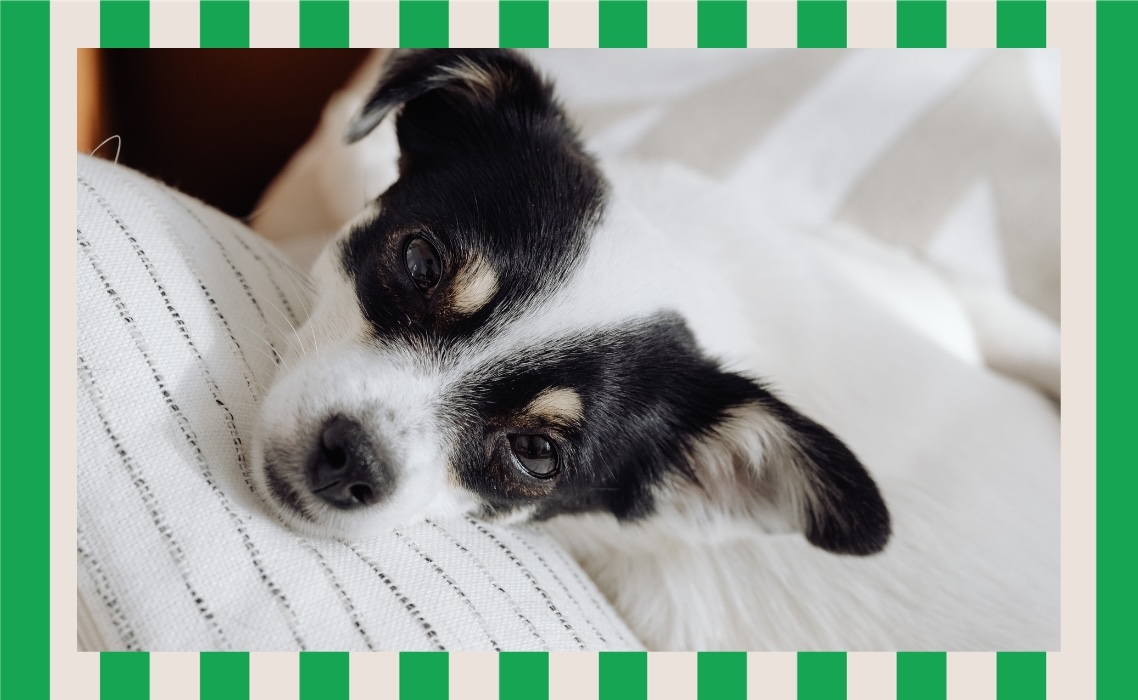
That long, contented exhale as your dog curls up nearby is a sign they feel able to fully relax around you. In our busy modern human world, that’s the most we can ask for as pet parents—to be our pups’ safe space!
Other signs your dog feels at ease include:
- Showing you their belly with loose body language
- Leaning or lying on top of you
- Sleeping deeply when you’re around

What’s a Rich Text element?
The rich text element allows you to create and format headings, paragraphs, blockquotes, images, and video all in one place instead of having to add and format them individually. Just double-click and easily create content.

Static and dynamic content editing
Static and dynamic content editing
A rich text element can be used with static or dynamic content. For static content, just drop it into any page and begin editing. For dynamic content, add a rich text field to any collection and then connect a rich text element to that field in the settings panel. Voila!
How to customize formatting for each rich text
Headings, paragraphs, blockquotes, figures, images, and figure captions can all be styled after a class is added to the rich text element using the "When inside of" nested selector system.
4) They say hello with their whole body
Sure, I love a polite tail wag. But what really gets me when I come home to my dog? Her full-body wiggle! Our dogs never lie about the pure, unfiltered joy they experience when we reunite.
Of course, greeting behavior depends heavily on what we’ve decided to reinforce. Some guardians of particularly excitable pups choose, quite understandably, to ask their companions for a calmer demeanor before saying hello! But either way, the joy is obvious. You can tell the difference between a dog who doesn’t really care that you’re here… and one who thinks your arrival is the highlight of their day.
5) Your dog asks to play with you
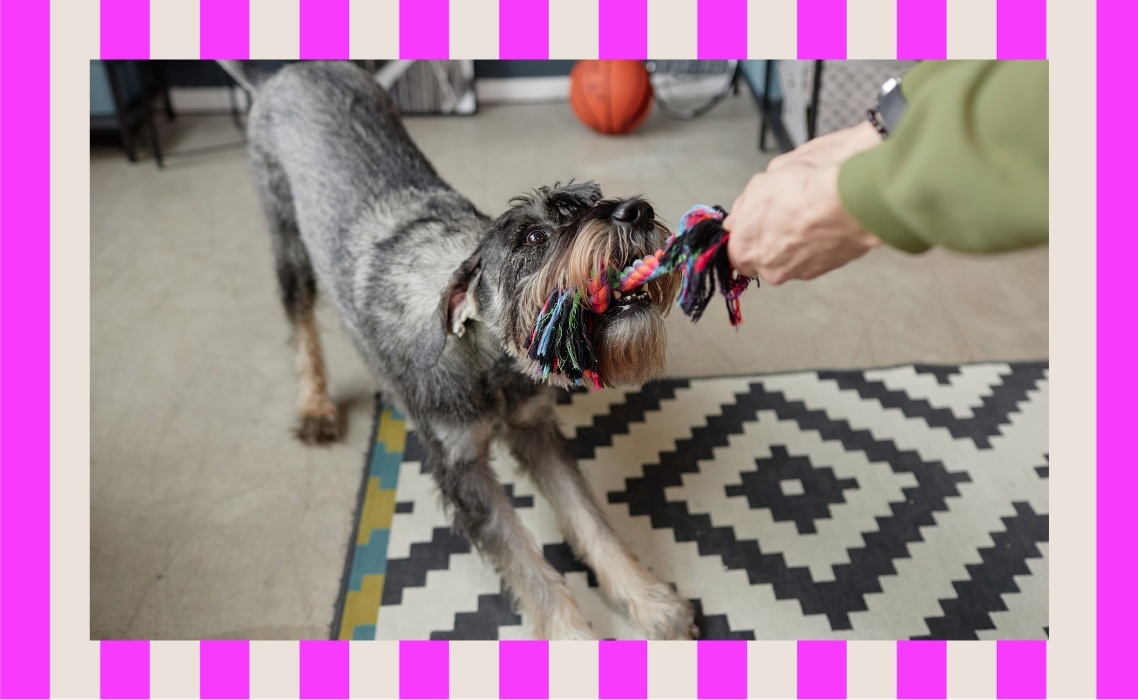
Play is a huge part of both canine and human development. Our pups’ interest in a variety of games—from high energy cooperative fetch to chill nosework searches—reveals a lot about how they feel! My own dog, for example, will not play even her favorite game (tug-of-war) if she’s too overwhelmed or nervous.
If your dog is eager to play when you invite them? That’s a good sign they trust you to let loose. If they initiate games on their own by offering you their toys before you even ask? They know you’re the source of a really good time!
6) They look to you when something’s wrong
When they’re feeling uncertain, sick, or otherwise having an off day, our dogs tell us something important by looking for us instead of hiding under the bed or making themselves small. They know we’re safe. They want us to experience the difficult thing with them. They trust us to help.
One of the small-but-great moments I’ve had with my own dog was when she got a toy stuck on her lower jaw. She immediately came to sit in front of me—and although she wasn’t happy about the poking and prodding I had to do next, I treasured that she sought me out to alleviate her discomfort.
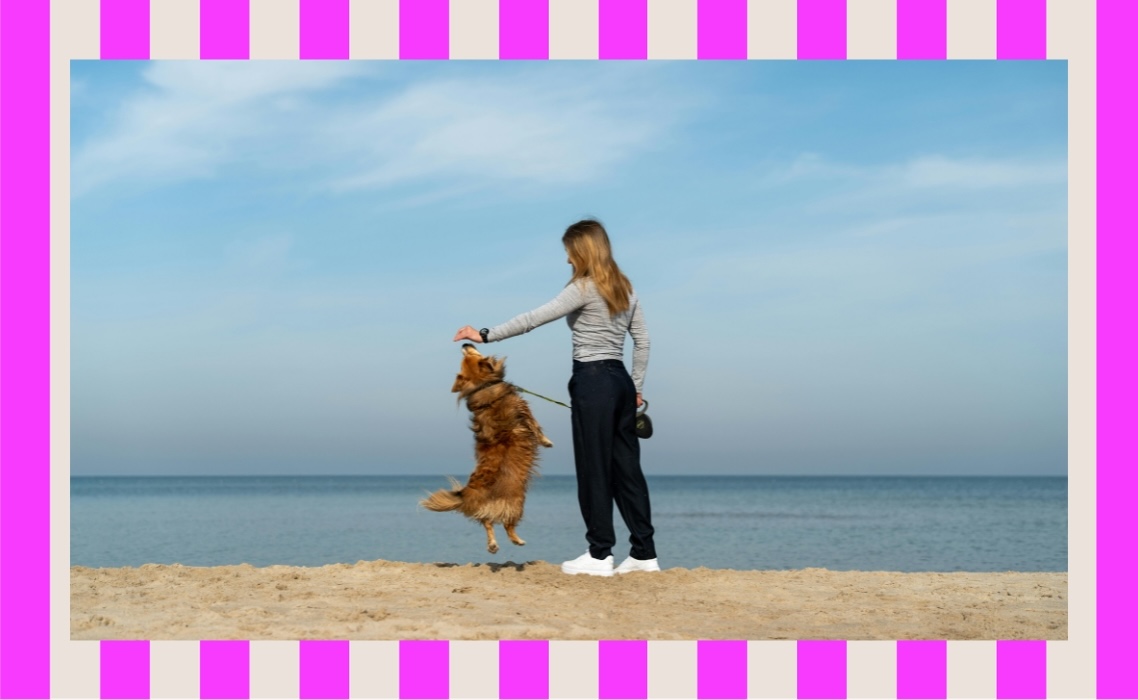
7) Your pup matches your energy and social cues
Watch your dog in new situations, like when they’re meeting another person or pet for the first time. Do you see them glancing your way before deciding how to react? Do they respond more enthusiastically to people you greet with excitement than those you’re a little stiff around? If you make to move away, are they ready to go with you?
This is called social referencing. Domestic dogs are incredible at it! When our pups match our energy and social cues, they’re showing us that we’re their guides to the world. They still have their own personalities and preferences, of course—our own behavior is far from the only thing that influences how our pups feel—but it’s a powerful vote of confidence when they consider our read on a situation, too.
8) Even around distractions, they pay attention
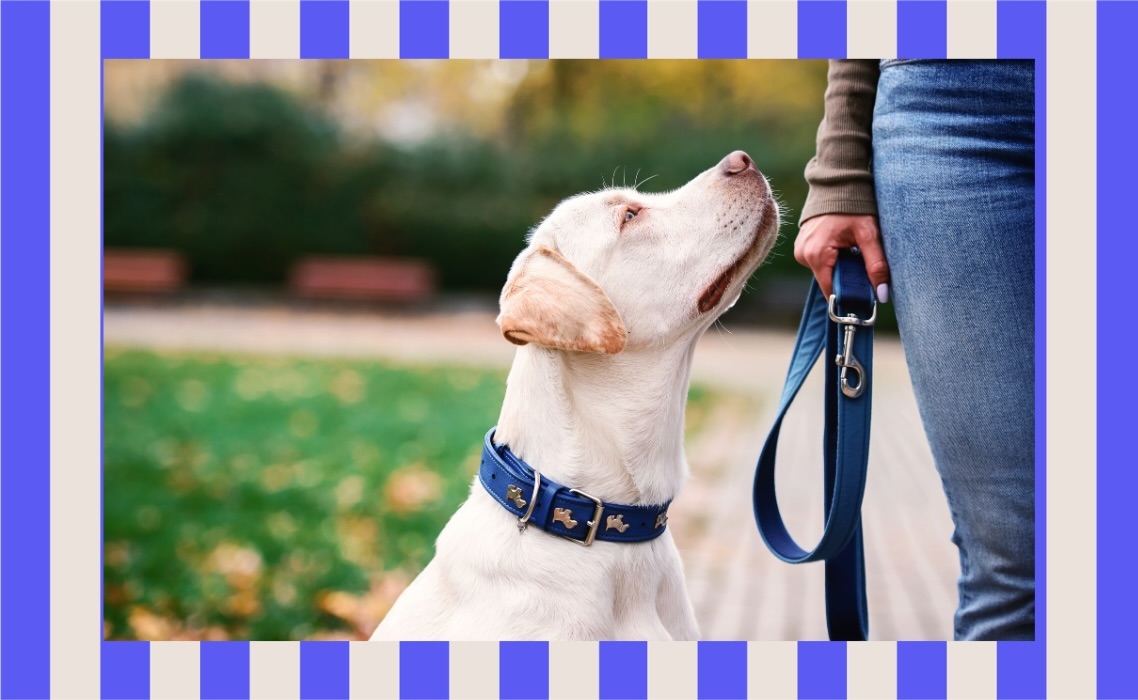
Offering check-ins on walks or other adventures is a popular skill recommended by dog trainers. In trusting relationships, a version of this behavior often occurs naturally!
Depending on your dog’s breed and learning history, they might engage with you in different ways around distractions. (Just because they aren’t offering constant eye contact doesn’t mean they aren’t aware of your presence!) No matter how they show it, staying connected to you—even when surrounded by other exciting things—is a great sign that your pup doesn’t just see you as the gatekeeper to their world. They see you as their anchor point within it.