


.avif)
Domestic dogs are super social animals. Healthy relationships—especially with their chosen humans—are a core part of their wellbeing! But more social interaction isn’t always better. Just like us people, individual pups vary in their preferences.
That means the best social life is the one that matches your dog’s unique temperament and comfort level (not to mention your own personal goals as the human holding the leash). Let’s take a look at the pros and cons of introducing our pups to new friends. When might you look for new playmates—and when do you decide your dog’s current circle is plenty good enough?
Do dogs always want more friends? It depends!
Many people assume that a good dog must automatically be a social dog. Movies, TV shows, and books constantly perpetuate this myth—I know so many people who had visions of the perfectly tolerant dog-park companion before adopting their pups. (I bought into this myself. Wouldn’t my new dog grease my own social wheels, helping me win over every stranger we met? Well, not exactly.)
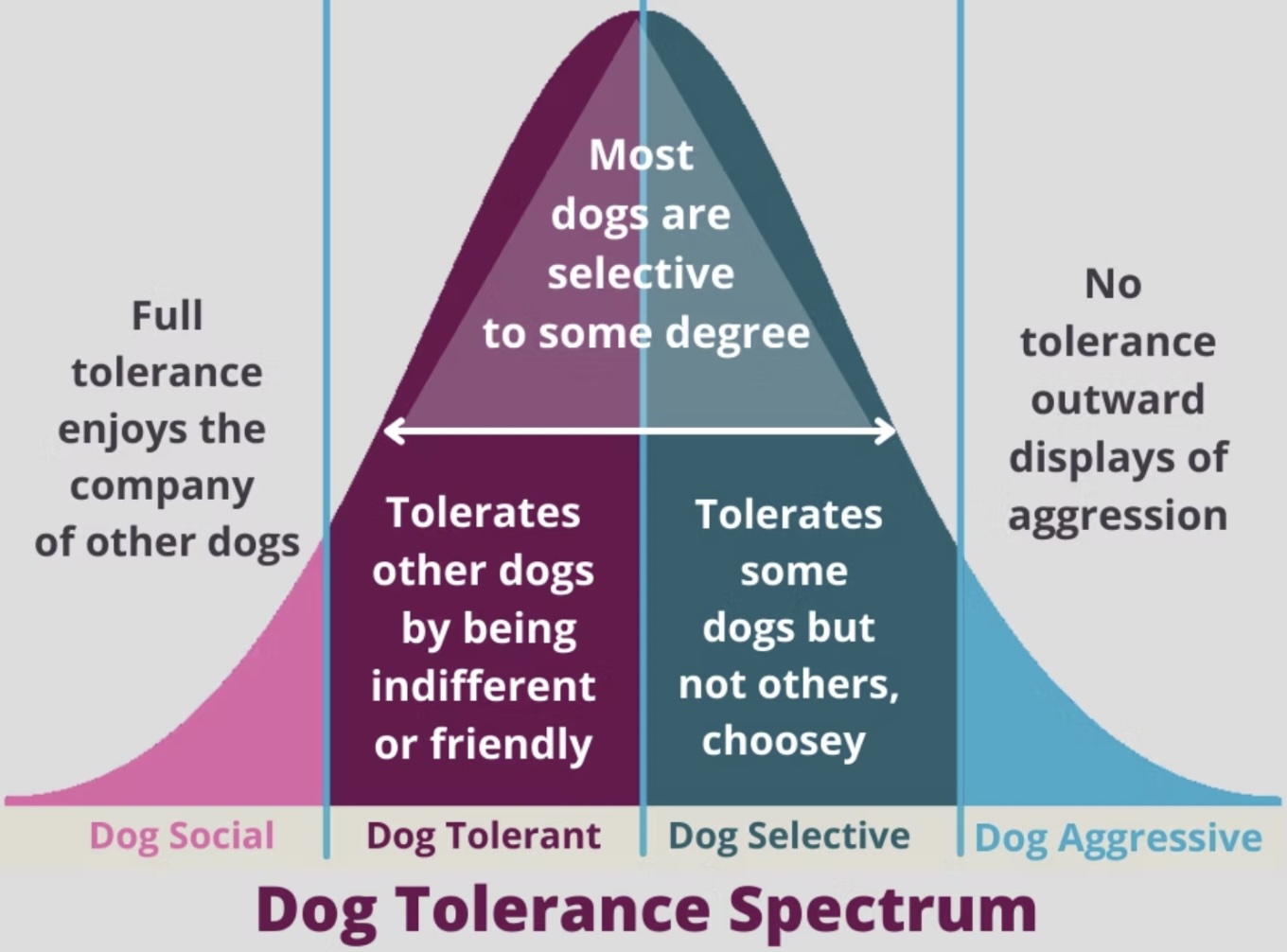
Here’s the thing: Just because dogs are social mammals doesn’t mean they’re indiscriminately social with everyone who crosses their path. It’s actually quite normal for our pets to prefer a close-knit family group! (This is how their canine ancestors lived before domestication.) Think of domestic dog sociability as a spectrum rather than an all-or-nothing trait, like the below image shows:
Some dogs thrive with:
- High energy daycare or dog park environments
- Hiking and other adventure groups
- Frequent visits to busy public places, like restaurants and stores
- As many playmates as they can find
Maybe your dog does think everyone who’s ever lived is just minutes away from becoming their best friend. That’s great!
Other pups prefer:
- One or two trusted dog friends
- A quiet household with just their favorite people
- Deeper attachments to a smaller number of friends
Or maybe your dog adores you, a few other humans, and another pet or two but isn’t always looking to say hello to strangers on the street or romp through a crowded dog park. There’s nothing wrong with them. (There’s nothing wrong with you as their pet parent, either.)
What matters is that you listen to the signals your individual companion gives you—and don’t routinely expect them to move through the world in a way they find exhausting or uncomfortable.
Potential pros of introducing your dog to new friends
Mental enrichment
Healthy social interactions can reduce boredom, provide novelty, plus encourage play and exploration. Some dogs draw confidence to engage with their environment from larger groups!
Stronger communication skills
A range of social experiences can help dogs practice reading body language, improve frustration tolerance, and grow more adaptable in a range of public settings.
Access to a larger support network
Building comfort with a wide range of people and pets can reduce stress during boarding experiences, vet visits, emergencies, or sudden schedule changes when you might need more help from your community to care for your dog.
Fear and anxiety prevention
Stacking your pup’s memory with good social experiences can help guard against potential bad ones—ultimately increasing their social tolerance and making it less likely that they develop fear-based reactivity over time.
Not sure if a social encounter is working for your pup? Look for loose body language, gentle enthusiasm, and easy disengagement. Is your dog able to calm down and emotionally recover? Do they return—on their own—for more pets or playtime? Those are all great signs!

What’s a Rich Text element?
The rich text element allows you to create and format headings, paragraphs, blockquotes, images, and video all in one place instead of having to add and format them individually. Just double-click and easily create content.

Static and dynamic content editing
Static and dynamic content editing
A rich text element can be used with static or dynamic content. For static content, just drop it into any page and begin editing. For dynamic content, add a rich text field to any collection and then connect a rich text element to that field in the settings panel. Voila!
How to customize formatting for each rich text
Headings, paragraphs, blockquotes, figures, images, and figure captions can all be styled after a class is added to the rich text element using the "When inside of" nested selector system.
Potential cons of too many new social interactions
Social overwhelm
Some dogs experience stress when they’re asked to be super social. (This can happen even if they generally enjoy new interactions! Think about it: Extroverted humans still get tired sometimes.) This overwhelm can result in hypervigilance, shutdown behavior, and irritability—especially in crowded environments where our pups aren’t able to take regular breaks, like chaotic dog parks or forced on-leash greetings.
Negative, trapped feelings
More exposure is not necessarily good exposure. Fear after rough encounters—which often take place on leash when our pets aren’t able to make space or greet naturally—can cut our pups’ confidence, leading to social hesitation or outward reactivity over time.
This is why it’s important to choose social interactions carefully. Positive experiences build up our dogs’ banks of good feelings. Negative encounters empty them!
Frustration-based reactivity
Even the world’s most social dogs can develop reactivity. If your pup assumes everyone is a friend—and they’re often allowed to greet strangers—they might start feeling frustrated during the handful of times they aren’t able to say hello. This can result in frustration-based reactions, which are most common on leash or behind a barrier.
It’s a good idea to occasionally practice ignoring other people and pets even if your dog really would like to make a new friend.

Your dog might enjoy widening their social circle if they…
- Frequently seek out interaction with new dogs and people
- Usually seem satisfied and relaxed after social outings
- Recover quickly from stimulating experiences
- Appear bored or understimulated at home
- Display frustration-related behaviors when they spend too much time alone
- Enjoy a wide range of cooperative play
To set up productive new experiences, let all pets and people opt in to the interaction. (If possible, use long lines that give dogs lots of room to maneuver—or find a safe off-leash location). Meeting on neutral ground can mitigate the risk of any “get off my lawn” moments between dogs protecting their territory. Keep interactions short at first, watch everyone’s body language closely, and know that you can always pause for a short break to gauge how things are going!
And remember: Even social butterfly dogs have preferences. Not every pup will be a fit for every other dog or person. That’s okay.
Your dog might not need any new friends if they…
- Mostly seek out interaction with trusted, familiar family members
- Relax easily at home
- Show little to no interest in unfamiliar dogs or strangers
- Disengage from new social interactions after a brief period of time
- Seem stressed out in busy social situations
- Need a lot of time to recover from outings
- Have very specific play preferences
If this sounds like your dog? No biggie. One or two compatible relationships might very well fulfill them more than constant exposure to strangers! Remember that meaningful connection doesn’t have to mean many connections.
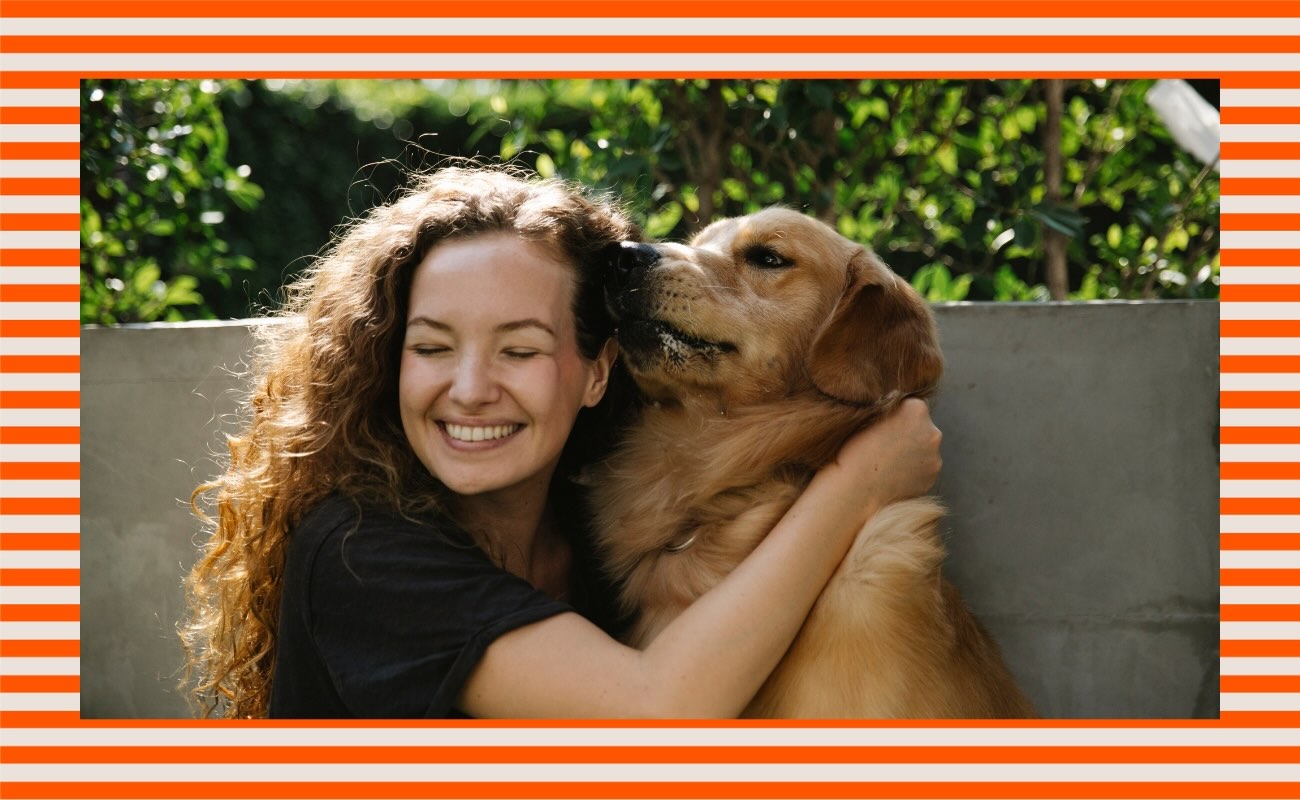
Respect your unique pup’s social bandwidth!
Social fulfillment matters deeply for our dogs, but it doesn’t look the same for every individual pup. Despite what media might tell us, our goal shouldn’t be to make our pups the most social creatures in the whole neighborhood. It’s to understand what kind of social life they, as individuals, prefer—and to make sure they feel safe, connected, and satisfied with their circles.