


.avif)
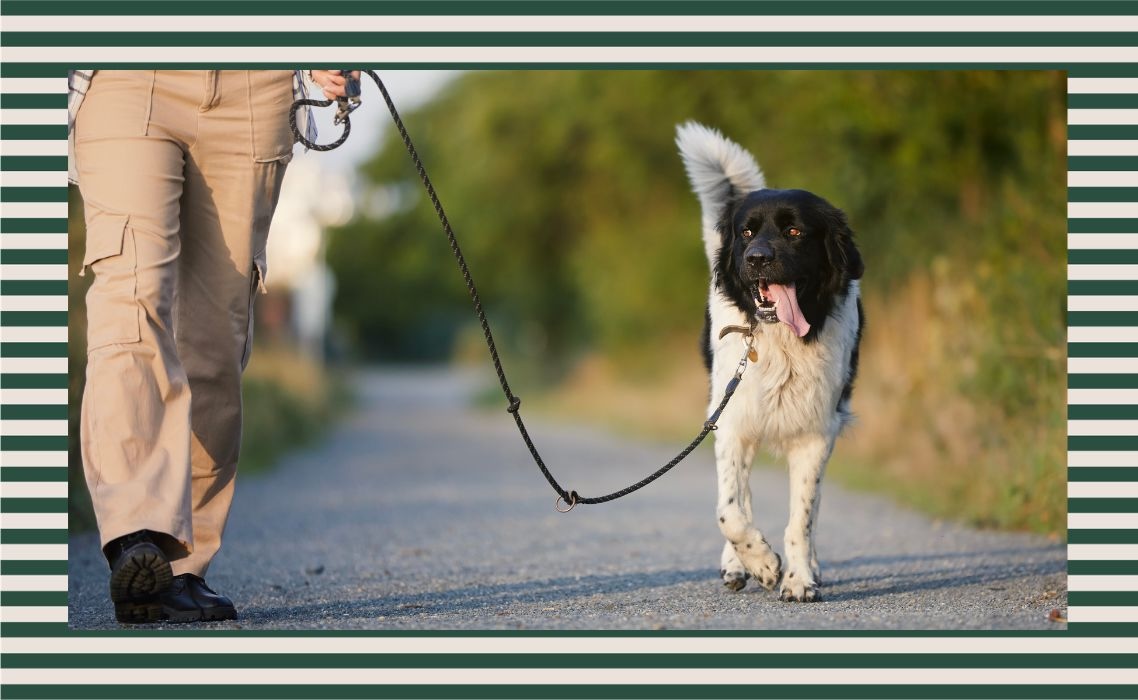
We pet parents are often told that “a tired dog is a good dog.” The phrase makes sense on the surface: If our pups are physically exhausted, they won’t have the energy to get into things they shouldn’t or bark us right up the wall or otherwise cause chaos! We should try to make sure our dogs get some healthy movement each day.
Problems arise, though, when we start to think more exercise is always the answer. Turns out our dogs’ needs are a little more complicated than that! Here’s a nuanced look at what physical activity does for our pets, why pairing it with mental enrichment creates the best results, and specific ways to tell if your individual pup is getting enough.

Exercise is vital for our pups’ health!
“Obesity is increasing among dogs, along with its negative consequences,” writes DVM Courtney Barnes. Dogs who don’t get enough physical activity are at “an increased risk of developing diabetes, an increased risk for cancer, and a high probability of joint injury and subsequent osteoarthritis.”
Regular exercise not only helps our pups maintain a healthy weight. It also supports their cardiovascular health, triggers the release of stress-reducing neurochemicals, and promotes deeper sleep.
Basically: All the benefits of exercise you’ve heard for yourself? They apply to your dog, too!
But physical activity alone isn’t enough
Although exercise is absolutely necessary, straight-up running won’t satisfy a dog whose brain is also hungry for more stimulation. It can actually increase their frustration even more: An intelligent pup who jogs five miles a day but has nothing to think about might be physically fatigued, but she’s still going to seek ways to fulfill her mental itch. (Possibly at the expense of your furniture. Or, you know, your sanity.)
Physical exercise and mental enrichment complement each other—but they can’t replace each other. Our dogs need both to be at their best.
Exercise and mental enrichment should be a team
Sometimes it helps me to think about my dog’s daily needs as divided into two main categories: physical and mental. Traditional exercise, like fast-paced walks or runs on leash, can help fulfill her urge to move. Cognitive enrichment—like solving problems, learning new things, and experiencing novelty—can quiet her mind.
The really good news? Many activities we share with our dogs already provide a built-in combination of the two. Think about a nature stroll with opportunities to sniff, for example, or a game of fetch interspersed with easy training cues. We don’t have to pick one or the other!
If you’re ever short on time, choosing an activity that mixes brain and body work is your best bet. And if your dog already gets plenty of physical activity but still struggles to relax, mental stimulation might be what’s missing most.
So how much exercise does a dog really need?
The answer here is the same for just about everything in the complex, fascinating world of pet parenthood: It depends!
Your pups’ breed, age, health, and unique personality all play a role.
- We selectively bred many domestic dogs—especially working and sporting breeds—to be super athletes. In general, a Siberian husky or Australian cattle dog is going to need a lot more physical activity than toy or companion breeds like Bichons and Frenchie. (Learn more about just how much you should—or shouldn’t—focus on your dog’s breed in this piece!)
- Most dogs hit their physical prime in early adulthood. Puppies need regular movement to develop muscle strength and learn about the world, but too much activity can wreak havoc on their developing joints. And elderly dogs—just like aging humans—often need to take their adventures more slowly to avoid injury or overexertion.
- If your pup has any mobility issues, heart conditions, or other health concerns, their definition of “appropriate” exercise might vary from other pets around them. That’s okay! Your vet is your best resource here.
Your dog might need more exercise if they…
- Struggle to settle at home, especially in the evenings
- Often pace, whine, or demand attention
- Show destructive or anxious behaviors, like chewing furniture, digging through the trash, or “redecorating” your couch cushions
- Bounce off the walls even after mental enrichment activities like food puzzles
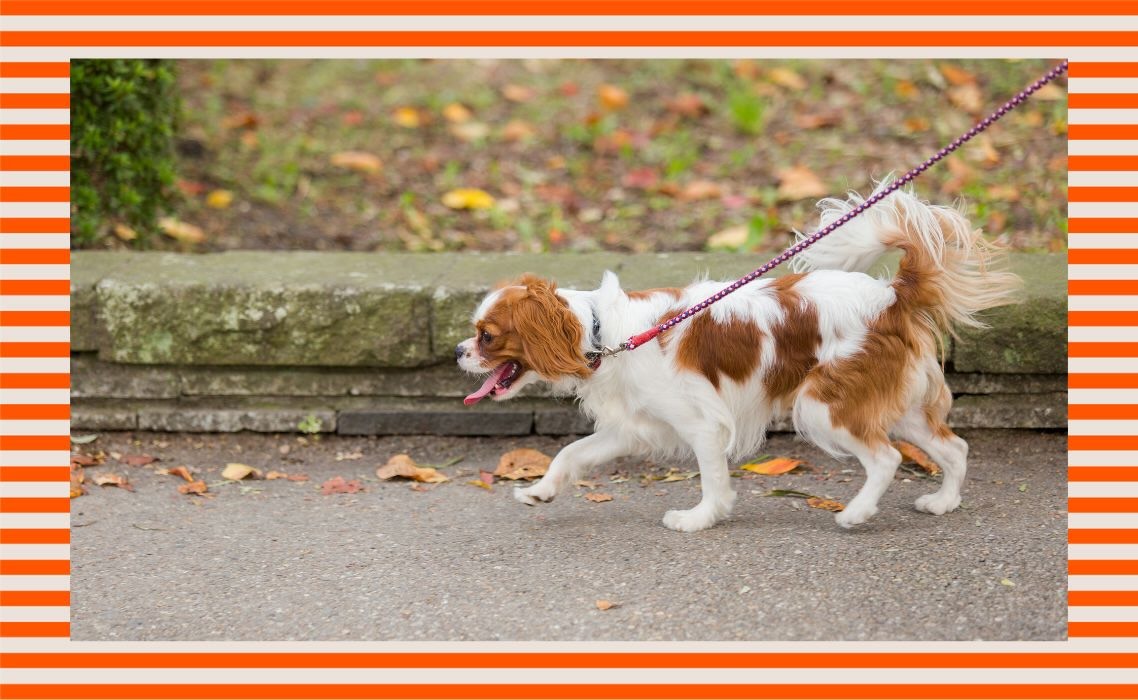
- Become frantic as soon as they do get the chance to run about (this often looks like intense pulling and zig-zagging on leash, which can suggest they’re feeling pent up!)
- Have a hard time walking short distances or become fatigued after very brief training or play sessions (a sign of low endurance)
- Are overweight
- Just have too much energy for their own good!
Your dog is probably getting the right amount of exercise if they…
- Are able to settle on their own during and after a typical day’s activities
- Sleep soundly and wake refreshed
- Seem enthusiastic throughout activity but can soon relax afterward
- Enjoy getting out and about but don’t seem frantic about the opportunity
- Can do their favorite activities on a regular basis without showing signs of overexertion
- Maintain a healthy weight with appropriate muscle tone for their breed and body shape (your vet can help you identify their body condition!)
Remember to pay attention to how your dog acts after activity, not just during it. This is where a lot of the best information lives!

Always adjust to the dog in front of you
Physical exercise is a key part of our pets’ health and happiness. But it’s also just that: a part! Movement alone can’t make up for a lack of mental enrichment, thoughtful training, or understanding of your dog’s individual needs.
Consider what your dog’s body language and behavior communicates. Don’t be afraid to experiment with different routines. And at the end of the day? Make the exercise and enrichment choices that work best for you.

What’s a Rich Text element?
The rich text element allows you to create and format headings, paragraphs, blockquotes, images, and video all in one place instead of having to add and format them individually. Just double-click and easily create content.

Static and dynamic content editing
Static and dynamic content editing
A rich text element can be used with static or dynamic content. For static content, just drop it into any page and begin editing. For dynamic content, add a rich text field to any collection and then connect a rich text element to that field in the settings panel. Voila!
How to customize formatting for each rich text
Headings, paragraphs, blockquotes, figures, images, and figure captions can all be styled after a class is added to the rich text element using the "When inside of" nested selector system.