



.avif)
Pet parenthood is wonderful. (If you didn’t think so, we doubt you’d be reading this article in the first place!) But we know it can also feel overwhelming at times—a sense only heightened by picture-perfect social media posts from friends and family, contradictory training advice from both professionals and strangers, and romanticized depictions of our four-legged friends in books, movies, and TV shows.
Whether you’re living the dream with your dog or cat or worrying that you’re not doing enough for them right now, here’s some encouragement to take to heart this season. Grab what you need, then share what most resonates with the fellow pet people in your life!
If you keep wondering if you’re a good pet guardian…
Chances are you’re already pretty great!
We promise: Bad pet parents don’t lie awake at night worrying they’re not giving their companions enough (love, enrichment, safety, attention, whatever it may be). Your concern is a sign of your care!
You don’t have to wear that worry like a badge of honor, though. It’s okay to cut yourself some slack and remember to focus on the big picture. (More on this later.)
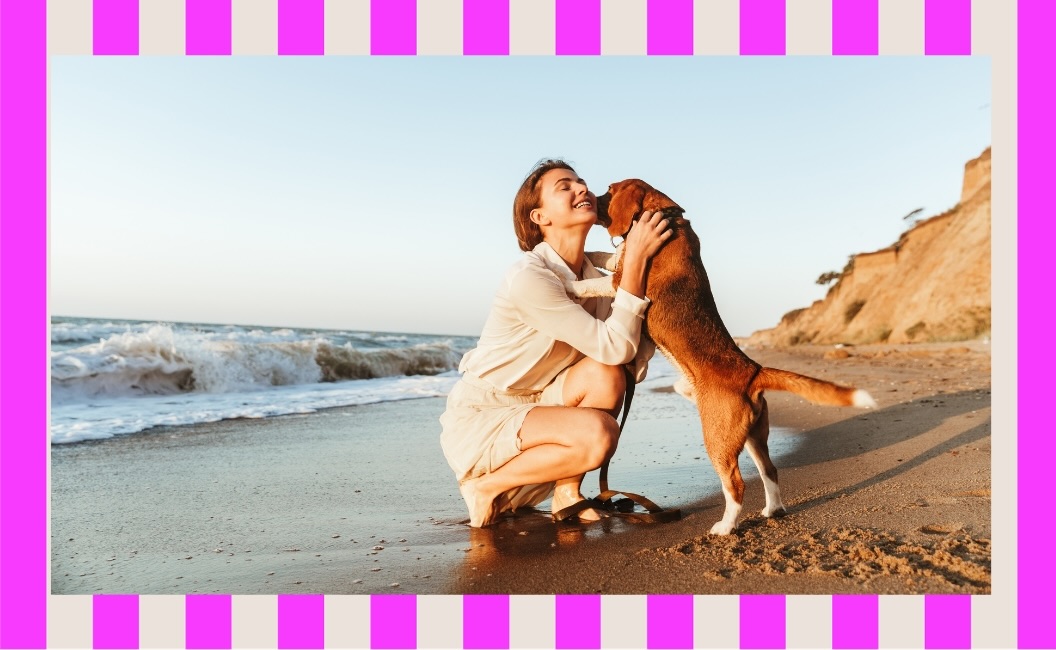
We influence our pets—but they have their own personalities
Which means that if your pup or cat hits some behavioral snags, it’s not automatically all your fault.
Socialization is important. Ongoing training can teach even old dogs new tricks. But our pets do not come to us as blank slates waiting for our guidance. Genetics and very early experiences (including in utero) affect who they turn out to be, too!
You’re not alone if your pet struggles sometimes.
Most dogs experience at least some behavioral problem like reactivity, destructive tendencies, resource guarding, and more throughout their lives. Our modern human world can overwhelm our canine companions. Dogs have sensitive noses and ears, not to mention their own evolved instincts and social norms—of course they find it hard to fit into society sometimes!
The majority of issues reported by pet parents can be helped through intentional training, biological fulfillment, and some patience!
Good training considers your pet’s emotions, innate instincts, current environment, and your own personal goals. Biological fulfillment—often called enrichment—can solve so many problems by allowing our pets to satisfy natural tendencies in safe ways. Goodbye conflict, hello harmony!
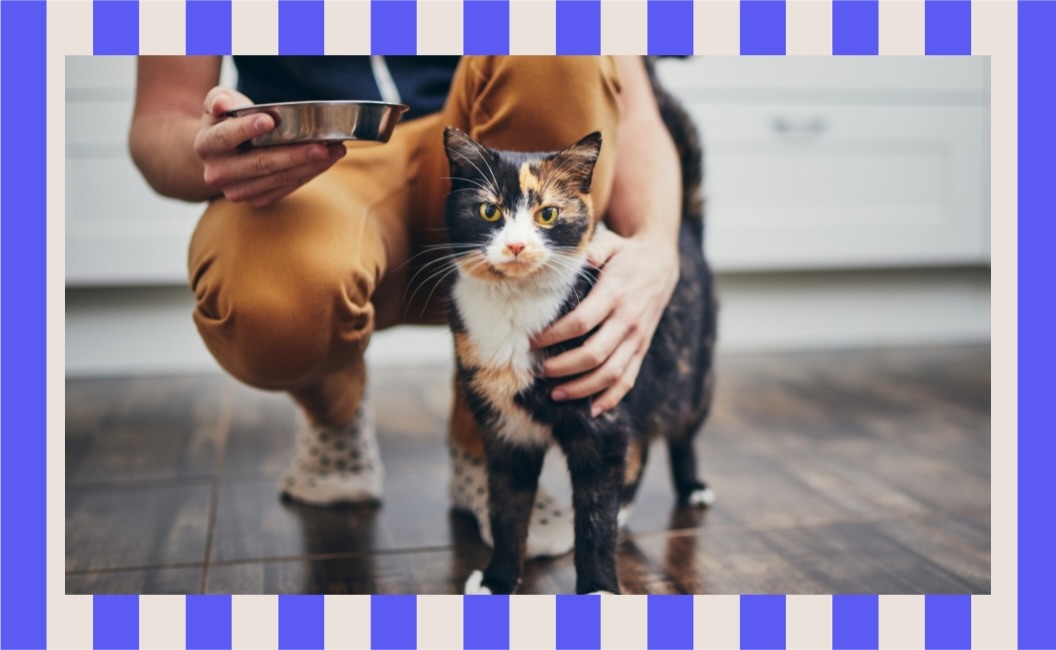
You’re the one who gets to decide what kind of life you want with your pet
Even if other voices try to tell you what they think is best!
Before worrying about a “behavioral problem” with your pet, ask if whatever’s going on is really an issue for your own lifestyle. (Maybe it is.) Or have you just been told to think so? (This happens more than you might think.)
Some old-school training wisdom can lead pet parents to worry about “problems” that are actually benign. If you don’t mind that your pet begs for food, or loves digging in a corner of your yard, or excitedly jumps on you in greeting—and their behavior isn’t negatively affecting anyone else—then there's no cause for concern. You get to decide what does and doesn't work for you!

What’s a Rich Text element?
The rich text element allows you to create and format headings, paragraphs, blockquotes, images, and video all in one place instead of having to add and format them individually. Just double-click and easily create content.

Static and dynamic content editing
Static and dynamic content editing
A rich text element can be used with static or dynamic content. For static content, just drop it into any page and begin editing. For dynamic content, add a rich text field to any collection and then connect a rich text element to that field in the settings panel. Voila!
How to customize formatting for each rich text
Headings, paragraphs, blockquotes, figures, images, and figure captions can all be styled after a class is added to the rich text element using the "When inside of" nested selector system.
Our dogs and cats don’t know what holidays or other milestones are
So it’s okay if you can’t celebrate together in a big way!
Pet birthday parties and shared holiday celebrations can be grand ol’ events—but if they’re not in the cards for you and your companion this year, it’s no big deal. This is because our pets don’t think about the passage of time the same way we do. They don’t keep calendars. They don’t, truly, know what an anniversary even is.
If you’re traveling on your pup’s birthday and don’t give them a special treat until you arrive home (or hey, even at all)? They won’t hold it against you. If you’re spending the Fourth of July at a non-pet friendly event? No problem. You can celebrate the love between you and your companion any time you want. No specific date or massive plan required!
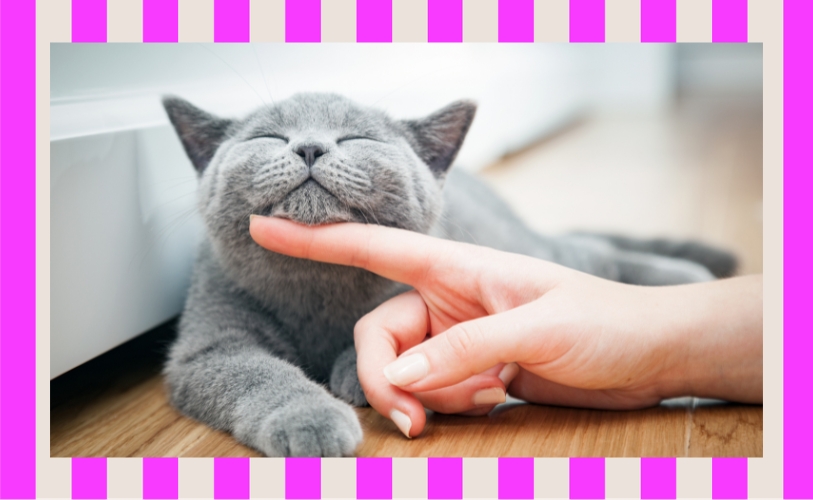
Every relationship experiences ups and downs
That includes the best relationships in the world: the ones we share with our pets.
If your bond with your dog or cat feels a little rocky, don’t sweat it too much. Rather, take a moment to consider what might be causing the rift—a particularly busy work or summer travel schedule? Some unmet training or enrichment needs due to the season’s hot weather? Overwhelm in another area of your life that means you could use more support from fellow pet parents right now?—and see if you can take one small step toward closing it.
Remember:
- Our dogs and cats are better at living in the moment than we are. They don’t count the ways you show up or keep any sort of score. Above all, what they need is your presence!
- Even the healthiest human relationships experience the occasional disagreement. (Think about this the next time you’re afraid your dog is unhappy that you took away the piece of trash they found on a walk, for example.)
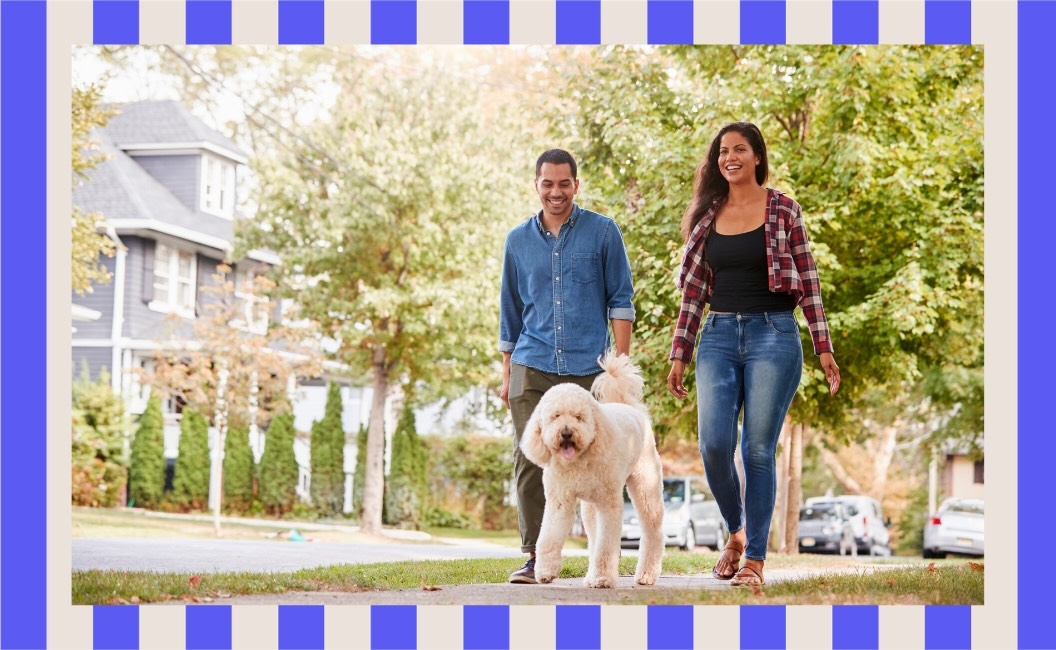
Focus on big trends over single moments
Zooming out gives you a better idea of what’s really going on.
One of my greatest struggles with my sensitive, fear-reactive Australian cattle dog has been fixating on every little thing that goes even a tiny bit wrong. And when I say fixating, I mean fixating. It’s hard to let difficult moments go!
But no matter who you are and how hard you try, the reality is that we’ll never be perfect—and despite their best attempts, our pets won’t be either. It’s better for everyone if we spend more time thinking about large trends than any one particularly bad day.
Instead of replaying the evening you didn’t have time to walk your dog before an after-hours work event or the time your cat ate something they shouldn’t have and ended up at the emergency vet, ask yourself:
- Are my pet and I happy overall?
- On average, does my dog or cat have opportunities to fulfill their natural instincts?
- Do I meet my pet’s basic needs?
- Does my dog or cat usually get enough attention from me?
If the answer is yes? You’re crushing it—yep, even after a bad day or two. Don’t let the negativity bias win.
We’re cheering for you and your companion this season (and every one that follows). Tell them we say hi!