



.avif)
“Walking the dog” is one of the most quintessential dog parent activities. We take the arrangement for granted—a human on one end of the leash, a cute pup on the other—but our pets aren’t born knowing what our expectations with that tether are.
Many pet parents and dog trainers prioritize loose-lead walking to make all sorts of outings, from neighborhood strolls to restaurant patio visits, more enjoyable. It makes sense to teach our dogs to match our pace rather than dragging us down the block: your shoulder doesn’t get yanked out of its socket, your dog’s neck doesn’t experience strain, a win-win for all!
But should we always expect a perfectly slack leash? Does a little pulling really matter (and if so, how much)? Will loose-leash walking affect the rest of our dogs’ behaviors? As always: The truest answer is “it depends.” Let’s dive into the nuance so you can make the leash-training choices that feel right for you!
Why many dog trainers recommend loose-leash training
Teaching our pups to walk on a loose leash can take time and repetition (especially if your companion has years of practice pulling toward smells, squirrels, and strangers). But many pet parents find it worthwhile!
When done well, loose-leash training can:
- Protect your dog’s neck, throat, and spine from the repeated strain of pulling against their collar
- Make walks more comfortable for the human holding the leash, too!
- Help you pass fellow people, pets, and other distractions without incident
- Build a foundation for calmer greetings, less stressful vet visits or training classes, and more confident public outings
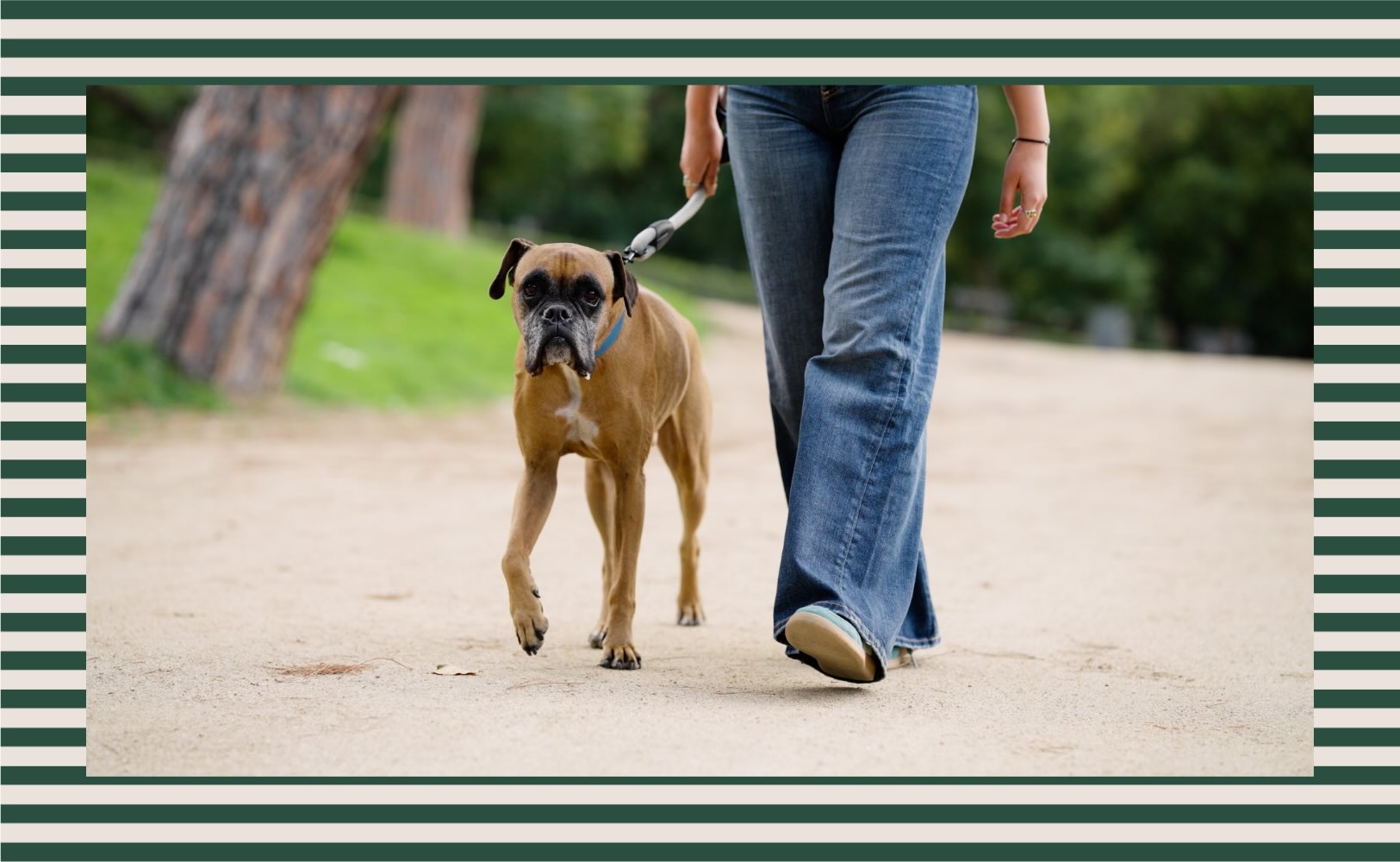
Pulling doesn’t have to be a problem, though
That all sounds great, right? A loose leash is a wonderful skill! But even the most useful training goals become excessive if we apply them across the board—without considering our individual dogs and our personal goals. Here are a few things to think about.
Pulling isn’t always uncomfortable or unsafe.
A dog in a well-fitted, supportive harness can lean into the leash without much risk of injuring themselves, especially if they’re not pulling hard or constantly. Context matters.
Walking on a leash doesn’t come naturally to our pets.
We absolutely want our dogs to be safe and manageable on walks. But a dog stopping to investigate a scent or drifting a few feet ahead is perfectly normal behavior! In fact, walking at a human’s pace while attached to a short tether can feel really unnatural for many dogs. This is because canines:
- Tend to move at a faster pace than we do
- Instinctively zig-zag, back track, and stop to take in the world through scent trails
- Have a larger bubble of social connection (meaning they can still feel like they’re hanging out with you even if they’re several yards away)
This is one reason why decompression walks (sometimes called “sniffaris”), where dogs are encouraged to sniff and wander on a long line, are a popular enrichment activity.
Demanding precision on every walk can drain the fun.
Constantly correcting or redirecting a dog who drifts even slightly out of position can turn a walk into a stressful obedience drill rather than a chance to explore together. Some dogs—particularly anxious or sensitive ones—can become hyper-focused on “not getting it wrong.”
As always: There’s a time and a place. You decide what your goals are!
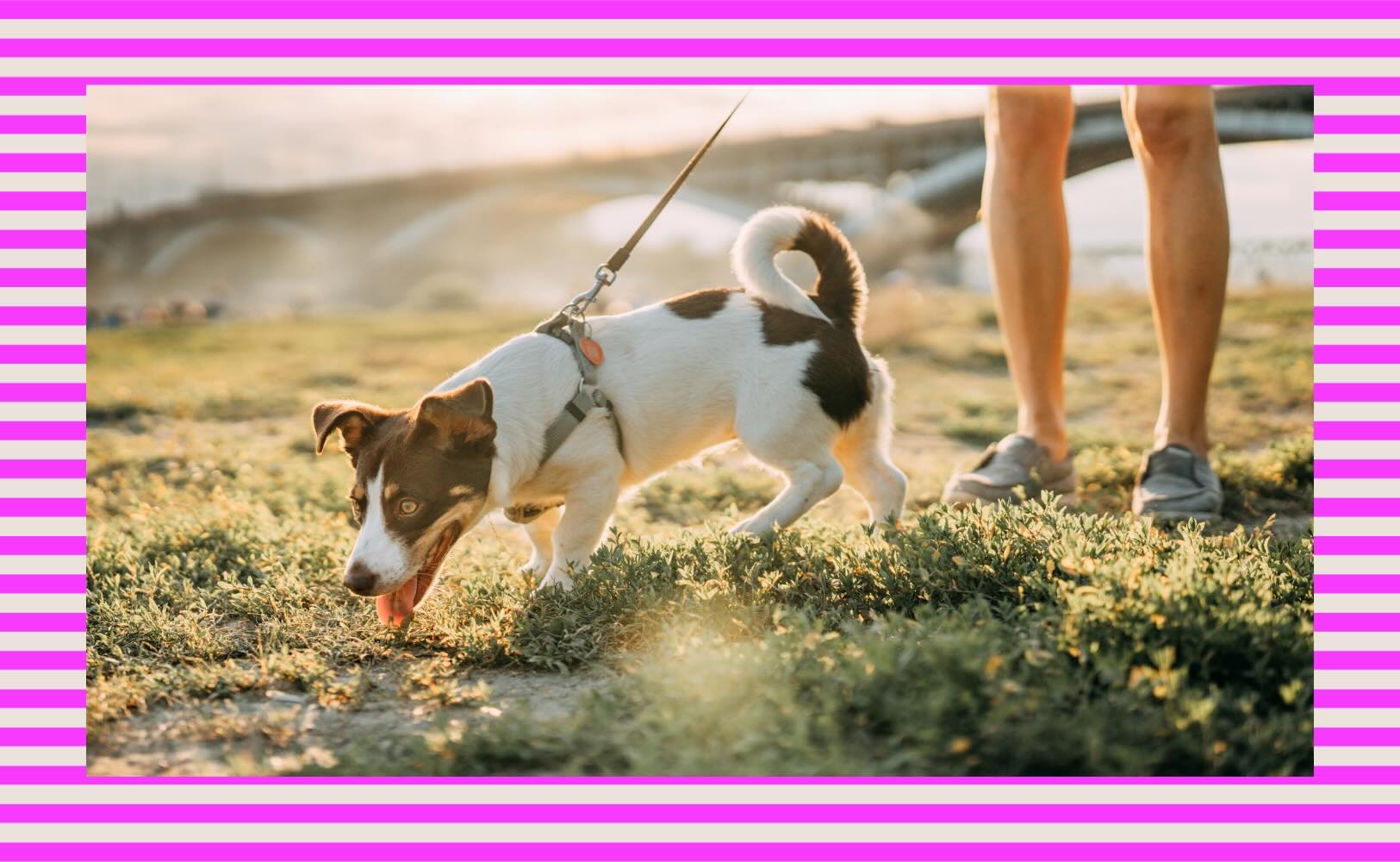
You might ask your dog to keep a loose leash if…
- You’re worried your pup could hurt themselves by repeatedly pulling against their gear
- You struggle to physically control your dog, especially around traffic or other distractions
- Walks feel more frustrating than enjoyable because of your pup’s constant pulling
- You’re navigating crowded or high-traffic environments where precise control matters
- You want a reliable “heel” cue for specific moments, like passing another dog or crossing a street
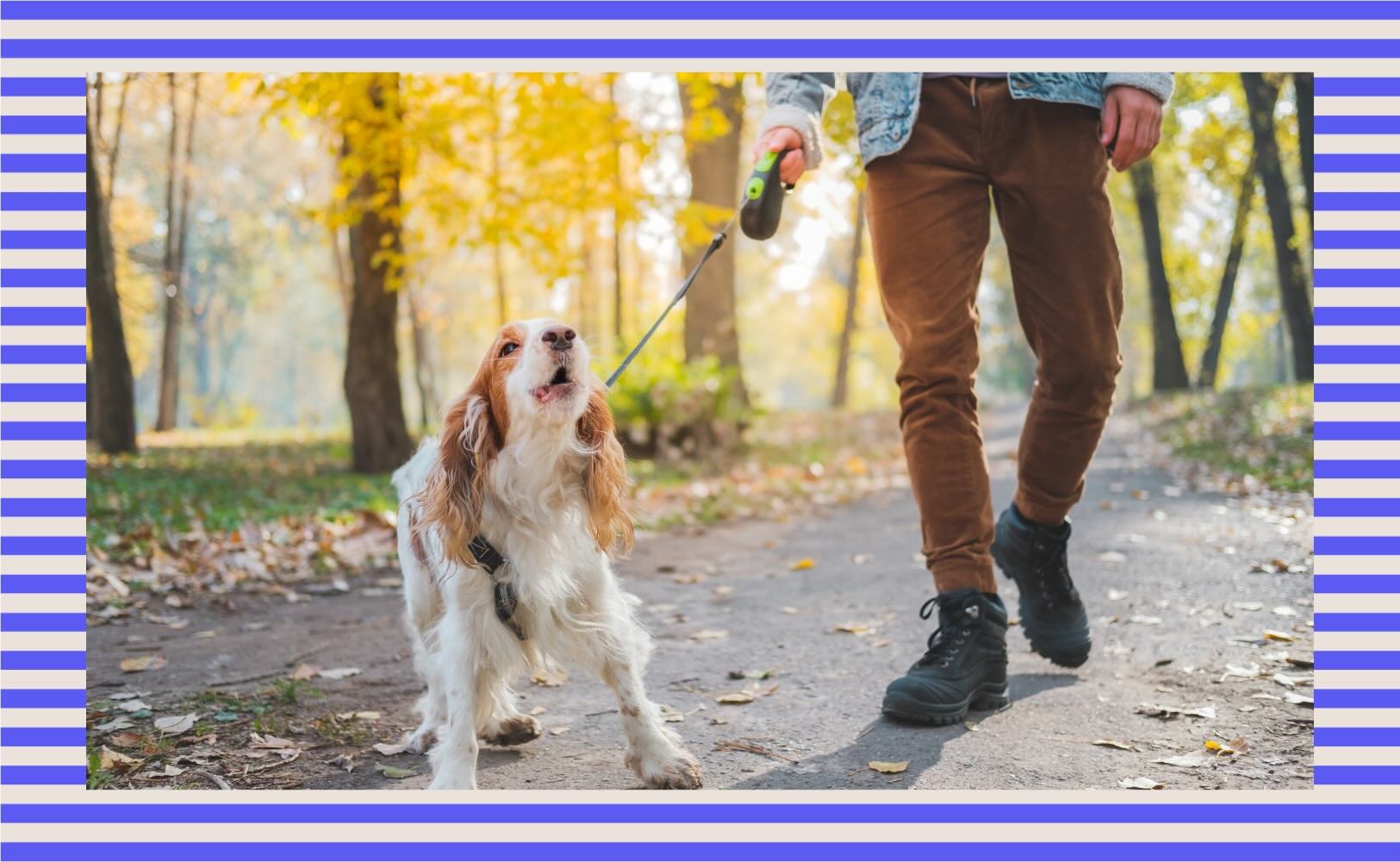
You might not ask for a loose leash if…
- You like to walk your dog in a comfortable harness where pulling doesn’t hurt their neck, shoulders, or back
- You personally aren’t bothered by your dog’s pulling
- Your dog doesn’t pull very hard or often, so it’s safe to walk them even with a little tension in the leash
- You don’t run into many distractions on your typical walking route
- You rarely take your dog on designated walks since you live in an environment where they can get lots of exercise on your own property
- You’ve taught your dog different context cues or verbal signals to let them know when they can and can’t pull (for example, my dog is allowed to pull into a harness but knows to keep a loose leash on a collar)
Think about time, place, and personal goals
When in doubt, ask yourself why you want a loose leash in a particular context. If the answer is because pulling is uncomfortable or unsafe for your dog? Yep, it’s worth looking into some more leash training! Same if you think your pup’s overstimulation on walks contributes to other behavioral problems, or if pulling makes you less excited about adventuring with them.
If you just feel like your pup “should” have picture-perfect leash manners at all times, though, it might be worth letting go of that expectation. Requiring a loose leash in every situation isn’t always necessary, or fair, or all that practical.
And remember: Leash manners don’t have to be an all-or-nothing decision. You might aim for “no tension at all,” or maybe you just want “periodic check-ins without suddenly darting off.” You might reserve a tight heel for crowded sidewalks while encouraging more freedom on decompression sniffaris. Choose what’s best for you and your dog!

What’s a Rich Text element?
The rich text element allows you to create and format headings, paragraphs, blockquotes, images, and video all in one place instead of having to add and format them individually. Just double-click and easily create content.

Static and dynamic content editing
Static and dynamic content editing
A rich text element can be used with static or dynamic content. For static content, just drop it into any page and begin editing. For dynamic content, add a rich text field to any collection and then connect a rich text element to that field in the settings panel. Voila!
How to customize formatting for each rich text
Headings, paragraphs, blockquotes, figures, images, and figure captions can all be styled after a class is added to the rich text element using the "When inside of" nested selector system.