


.avif)
Many of us pet parents are drawn to group dog training classes because of their popularity (they’re easy to find), affordability (they’re almost always cheaper than one-on-one lessons), and the promise of structured socialization with fellow people and pups. My cattle dog, Scout, and I have taken nearly a dozen in-person courses like this in our seven years together!
Group training options aren’t the right fit for every pup or person, though. We’ve got you covered with firsthand insight plus general pros and cons to help you make the best choice for your individual dog and training goals.
What are group dog training classes like?
If I say “puppy school” or “obedience classes,” what do you imagine? I’m guessing you’re thinking of a classic group training environment. Group courses can take many different forms, but one thing defines them: They’re set up for multiple dogs and handlers to train together, in the same space, at the same time.
Some of the most common group classes for pet dogs are puppy kindergarten (which usually involves a lot of supervised playtime plus very simple engagement skills) and basic obedience sessions (where dogs learn to walk on a loose leash and follow cues like “sit” and “down”). Many training facilities offer specialty group classes, too. Introductory dog sports courses almost always take place in a shared environment—agility, nosework, and barn hunt are good examples—and so do plenty of trick title or AKC Canine Good Citizen classes!
Usually, a group training class will look something like this:
- Multiple dogs and handlers arrive at a central training location, either an indoor facility or an outdoor yard. (Some themed group sessions even take place in public to work on patio-dining skills or trail etiquette!)
- One or two instructors teach the group at large.
- Everyone goes through similar controlled training exercises. Dog-handler teams might be divided into groups to work on different tasks in separate areas or practice all together in close proximity.
- Instructors provide brief personal feedback as time allows.
Whether or not dogs play with each other—or even say hi at all—depends heavily on the topic of the group class, the training facility’s setup, and individual instructor and handler preferences.
Pros of taking a group dog training class
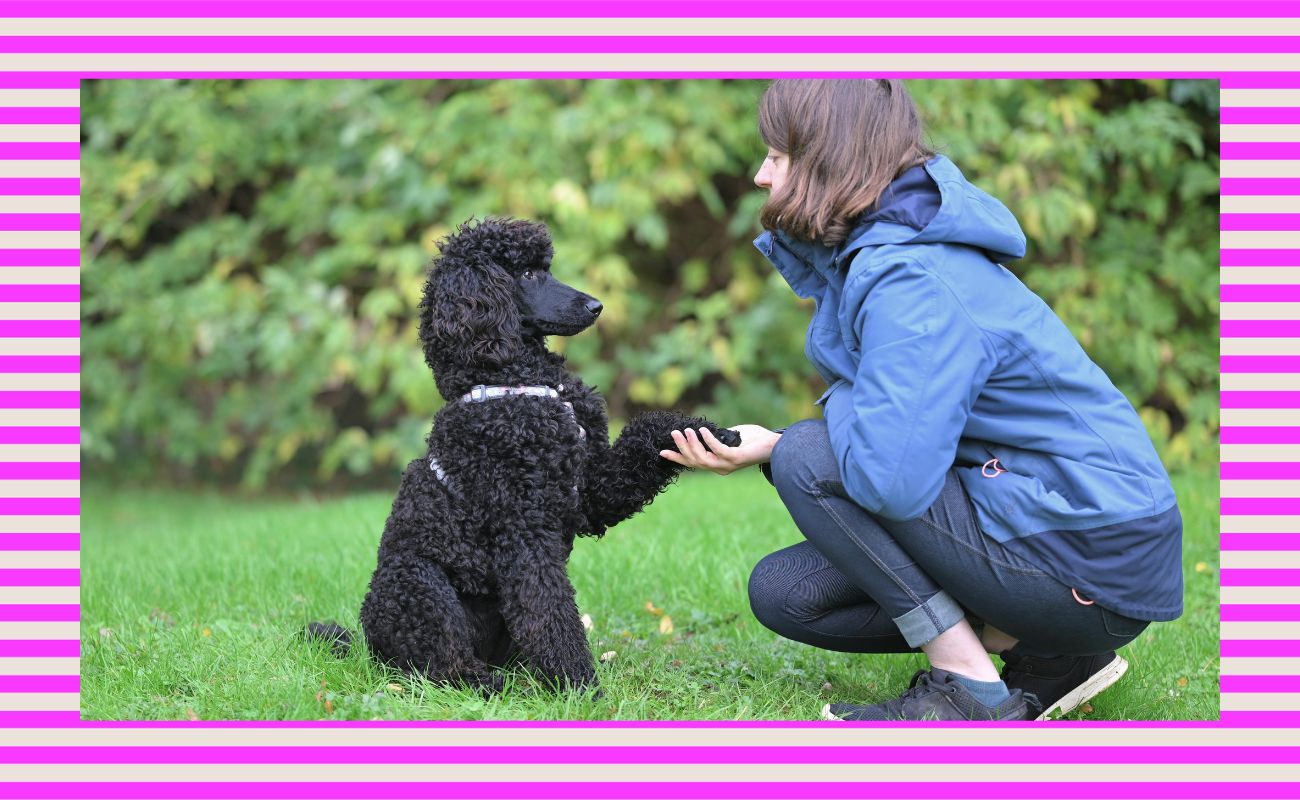
The ideal group class boasts chances for environmental exposure, socialization, and pet parent community!
Environmental exposure and distraction proofing
Group training can be an excellent opportunity to expose our dogs to new situations while getting support from seasoned professionals.
Learning to focus in distracting real-world environments—especially alongside other people and pets who might try to steal their attention away—is a super valuable skill for the average canine companion. Group training sessions can provide:
- Exposure to new sights, sounds, smells, and other stimuli. Remember: We need to simply get our dogs used to the world around them just as much as we let them actually interact with it!
- Chances to practice training cues around an increasing level of distractions. This makes our pups’ ability to listen to us stronger overall. Ignoring other pets and people helps build impulse control, which can translate into various situations (like resisting the urge to chase prey, for example) over time. These skills also prepare dogs for public outings—and can be a useful foundation for therapy work or dog sports goals later on.
- A bridge to generalize behaviors beyond our home environments. It’s common for a dog to be able to sit perfectly in the kitchen they’re used to… but struggle to do the same “simple” behavior at a park or cafe. Group classes can help close the gap between low-distraction, familiar situations and high intensity real-world encounters.
Structured socialization opportunities
Proper socialization doesn’t mean constant free play or chaotic interactions. Many professional trainers aim for calm coexistence instead! Think about it: We want our dogs to be able to engage with others without discomfort—but we also want them to know how to walk by potential new friends without yanking our arms out of their sockets to say hello.
Group classes can provide controlled socialization opportunities with other people and pets. (On occasion, I’ve seen instructors bring in additional family members and pets, too—sometimes there’s even a chance to work around small children or a cat!)
A well-run group training environment can help your pup:
- Grow their comfort around strangers (both canine and human) by prioritizing safety and structure over willy-nilly interactions.
- Learn to work and play alongside other dogs without having to directly interact with them.
- Lessen overexcitement or anxiety that often takes place when our pets inadvertently (or, indeed, sometimes on purpose) hype each other up.
These opportunities are helpful at any age and life stage, but thoughtful socialization is especially important during a young dog’s early development.
Pet parent community
Group class benefits aren’t just for four-legged creatures. They can also be great for the human end of the leash!
I’ve loved getting to connect with fellow pet parents at various trick, obedience, and reactivity-focused classes over the years. Sometimes we’re experiencing similar challenges (and then we swap recommendations and cheer each other on). Sometimes we just want a little more social interaction to brighten our days (beyond repetitive work and household obligations). Sometimes we need an extra boost of accountability to keep showing up week after week!
More affordable than private lessons
Group classes are almost always cheaper per session than private lessons. This makes them an excellent entry point—they’re an introductory way to access professional training guidance without the price tag of more customized, one-on-one coaching.
Just know that affordability can come with tradeoffs in individualized attention. (More on this next.)
Cons of group dog training classes
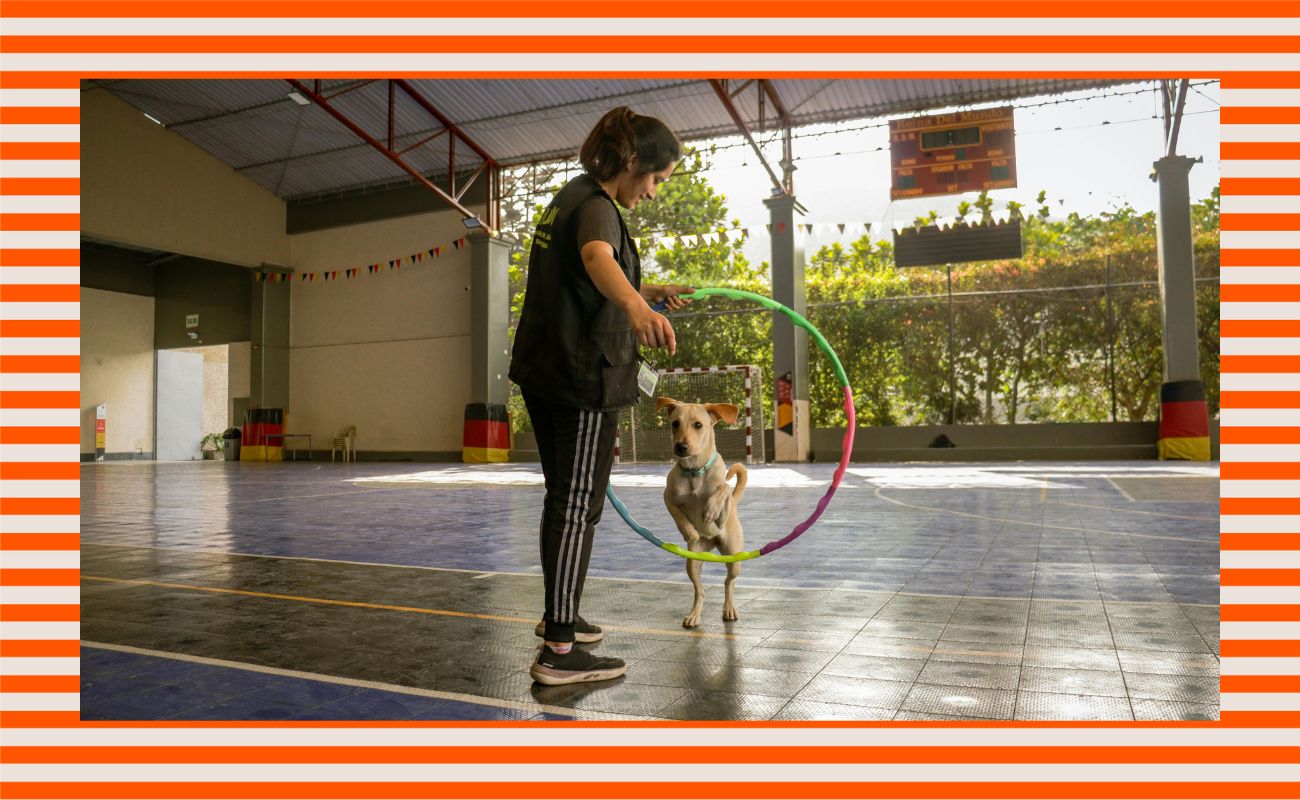
Group classes are great—but they aren’t a one-size-fits-all solution. Some dogs and handlers benefit more from private or hybrid approaches.
Limited one-on-one attention
In a shared training environment, one or two trainers have to divide their attention among multiple dog-handler teams. If your dog has specific behavioral issues, you might not feel satisfied with the amount of personalized coaching you’re able to get in a traditional group class—and you might leave with unanswered questions on particularly busy days.
Some trainers are better than others at balancing the needs of everyone in the group. (This goes for every profession and skill set!) Class size makes a difference. If you’re worried about receiving enough in-the-moment feedback but not ready to look into one-on-one lessons instead, look for group sessions that cap their enrollment around five or six teams.
Unpredictable situations
Both a pro and con of group training classes? You work alongside other people and pets! Good trainers keep close tabs on how everyone is doing, but even the best instructors aren’t superheroes. There’s always a chance something won’t go as planned, from potentially big issues like:
- Another dog slipping out of their collar or a handler dropping the leash on accident, leading to an unexpected greeting (or, at worst, a surprise scuffle)
- Barking, lunging, and otherwise overstimulated pups creating stress for everyone in the room
To smaller “oops” moments, such as forgetting to look where you’re walking and bumping into someone else doing the same thing.
Preparing our pets to navigate these situations and recover quickly can set them up for success in our human world. But not every dog thrives in a crowded class setting! This is especially true if they’re already on the fearful or nervous end. Some pups shut down in too-busy environments, and training progress is going to be slower (or even go backwards) if they’re too overwhelmed to function. Structured training should ease their concerns before we raise the stakes, not stress them out more to start.
Make sure to look for group courses that enact clear safety protocols and emphasize consent—like asking other pet parents for clear permission—before any on-leash greetings or other interactions.
Less flexibility than private sessions
Because they cater to a larger audience, group dog training classes usually take place on set days and times. There’s limited flexibility to work with the instructor to set another date that better fits your own schedule.
The curriculum might also move too slowly or quickly for you and your pup, depending on your existing skills and goals. And with multiple handlers but only one or two instructors, there’s less chance to focus on the individual goals that matter most to your household.

You might love group dog training classes if…
- Your dog is a young, social puppy
- Or your dog is a social or tolerant adult
- You’re not sure where to start with socialization and think a structured environment would help both you and your pup
- You want practice training around distractions in close proximity
- You crave more pet parent community!
- You’re new to dog training and want to dip your toe in a low-cost, low-commitment way
- You want to test out a dog sport or other activity in a casual environment
You might opt for one-on-one training if…
- Your dog is particularly reactive around other people or pets
- Your pup feels fearful and shuts down in new environments
- Your dog struggles around strangers, crowds, or distractions to the degree that you don’t think they’d be able to truly learn in a busier situation right away (sometimes you can start with an easier, more customized environment and progress to larger group classes as both your confidence grows!)
- You want to work on a few specific skills
- You crave individual support and immediate feedback from a seasoned instructor
Ask questions to find the right fit
Don’t be afraid to call local facilities to ask every question you can possibly think of ahead of time. My dog and I found our best instructor fits by reaching out before signing up for an official course. This allowed me to make sure we were on the same page training-method wise—and it eased my worries about my dog’s sensitive nature by letting me know exactly what to expect and prepare for going in.
Make the training choices that are right for you
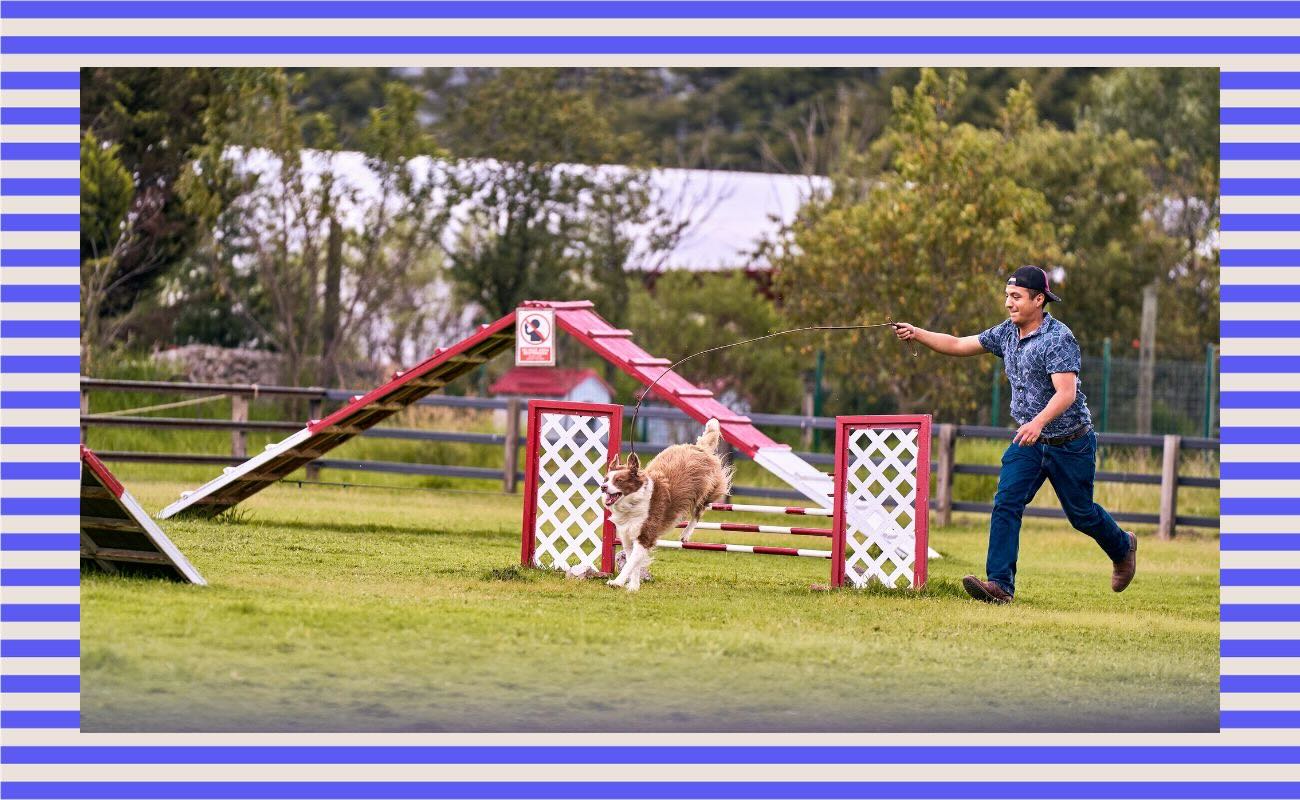
When matched to your pup’s current skills? Group classes can be one of the best ways to start taking your training more seriously—or just put a regular fun activity on the calendar!
But there’s no reason you have to enroll your dog in a shared training environment. Remember that being excited (or not) about a group class isn’t a reflection of whether your dog is “good” or “bad.” So many variables—about your own pup, the training facility, your long-term goals, and more—go into the decision.

What’s a Rich Text element?
The rich text element allows you to create and format headings, paragraphs, blockquotes, images, and video all in one place instead of having to add and format them individually. Just double-click and easily create content.

Static and dynamic content editing
Static and dynamic content editing
A rich text element can be used with static or dynamic content. For static content, just drop it into any page and begin editing. For dynamic content, add a rich text field to any collection and then connect a rich text element to that field in the settings panel. Voila!
How to customize formatting for each rich text
Headings, paragraphs, blockquotes, figures, images, and figure captions can all be styled after a class is added to the rich text element using the "When inside of" nested selector system.