


.avif)
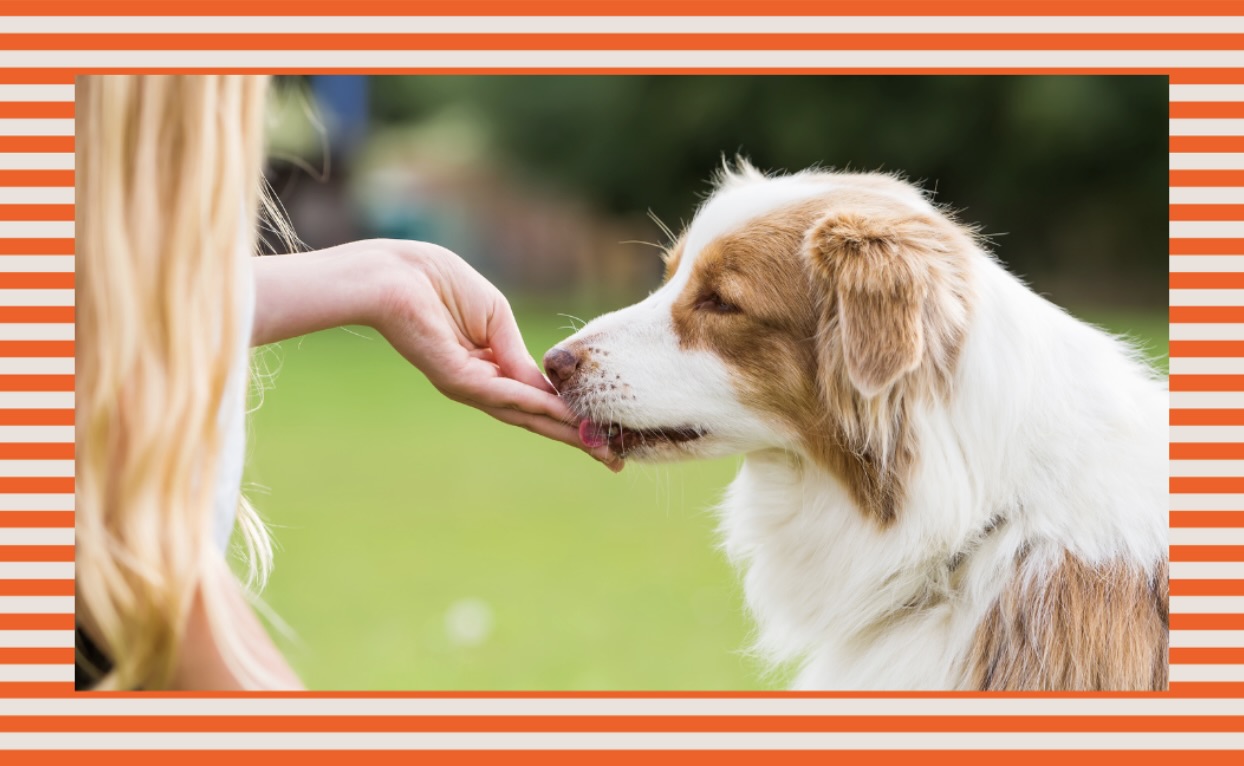
Do you know which treats are your dog’s favorite? Chances are you have at least a general idea—but maybe you want some more specific rankings to guide your next shopping trip. (Or maybe your four-legged family member seems happy to eat everything. How are you supposed to tell?)
This fun, at-home treat test is the perfect way to find out what flavors your dog likes best. Plus it’s a fun enrichment activity in and of itself!
What is a food preference experiment, exactly?
A food preference test is really just a way researchers—or pet parents like you and me!—try to figure out what flavors, textures, and ingredients dogs prefer. It involves offering pups multiple food or treat options at the same time and seeing which one they pick first.
“Manufacturers often evaluate palatability of [dog] food products to guide product development,” explain the authors of a 2020 “Preference Ranking Procedure: Method Validation with Dogs” paper. (This team of researchers was trying to validate a specific food preference test using puzzle toys. “The results proved that the preference ranking procedure is capable of showing consistent results,” they conclude.)
So, food and treat tests can be complicated if we want them to hold up to scientific scrutiny. (I love that our pets’ tastes are garnering more and more research attention over time!) These experiments also work well with a DIY approach, though.
“I thought it would be fun to do my own version at home,” dog trainer Patricia McConnell writes about food preference tests. She set up what she calls a “quick and dirty version” of the laboratory’s more elaborate experiment right in her kitchen. I’ve done the same with my blue heeler, Scout!
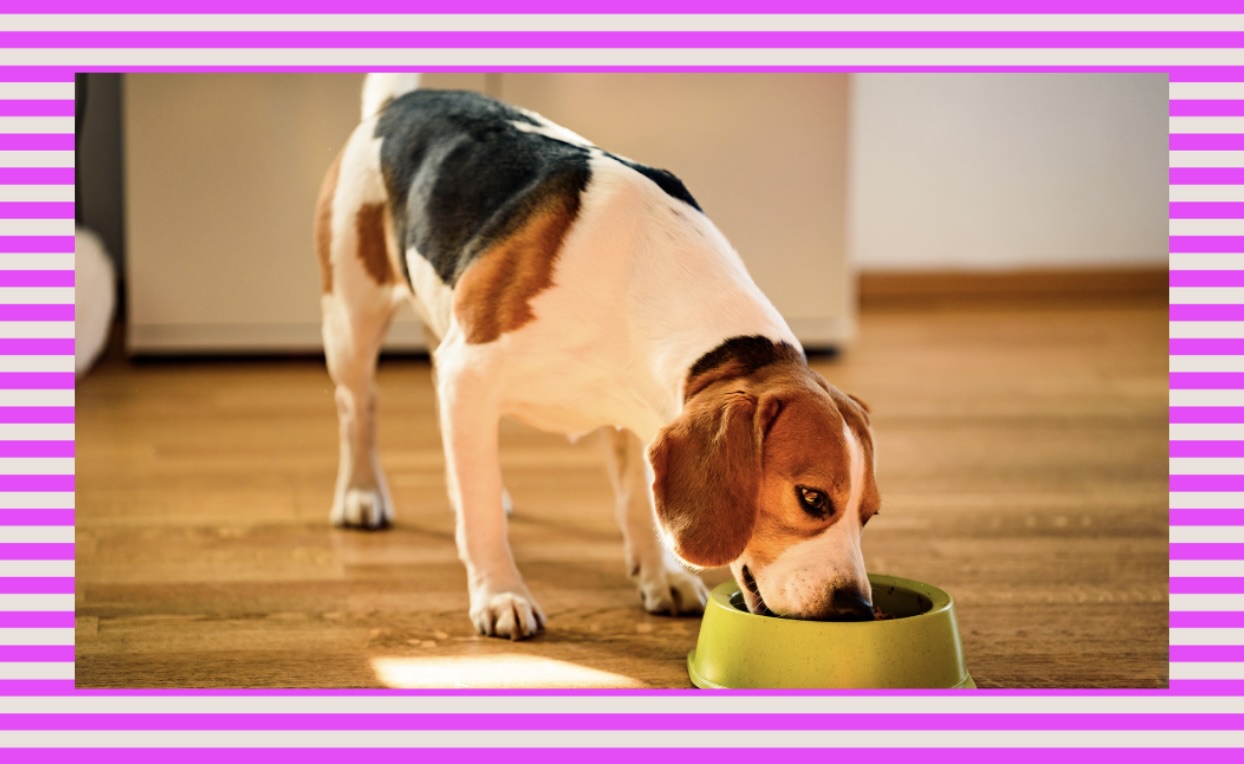
How can your dog benefit from ranking their treat preferences?
It’s a fulfilling enrichment activity in the moment
“The primary result is that the dogs and I had great fun,” McConnell jokes about her at-home food preference test. Any game that gets your pup’s brain working—and a bonus if it gives them agency over their experience like this—can be a great enrichment opportunity.
You can choose treats based on what your pup likes best
After your experiment is said and done, you can use the results to make more thoughtful choices about what you feed your dog. Ranking their favorite treats helps you choose high value training rewards—and fill their puzzle toys with goodies worth working for.
Set up your experiment
Supplies you’ll need to find your dog’s favorite treats
- A variety of different dog treats: We recommend somewhere between three and seven choices to give your pup a range without overwhelming them. When I did this with Scout, I used some freeze-dried salmon bites, soft and chewy training treats, and turkey jerky strips.
- A leash or “stay” cue: You want your dog to be able to watch you set up their test without interfering. I asked Scout to hold a down stay while I got everything ready.
- Food bowls (optional): If you don’t want your dog to eat off the floor, you can put each treat in its own dog bowl.
Avoid distractions in a calm, quiet environment
Conduct your food preference test in a familiar space. Your kitchen or living room should work well! The same way you’d do before any training session, try to minimize commotion that could prevent your dog from focusing on the task at hand.
Go time: See what goodies your dog prefers
Bring your dog into the room. Using a leash, a “sit” or “down” stay cue, or the help of another person, position your pup about six feet away from your testing area.
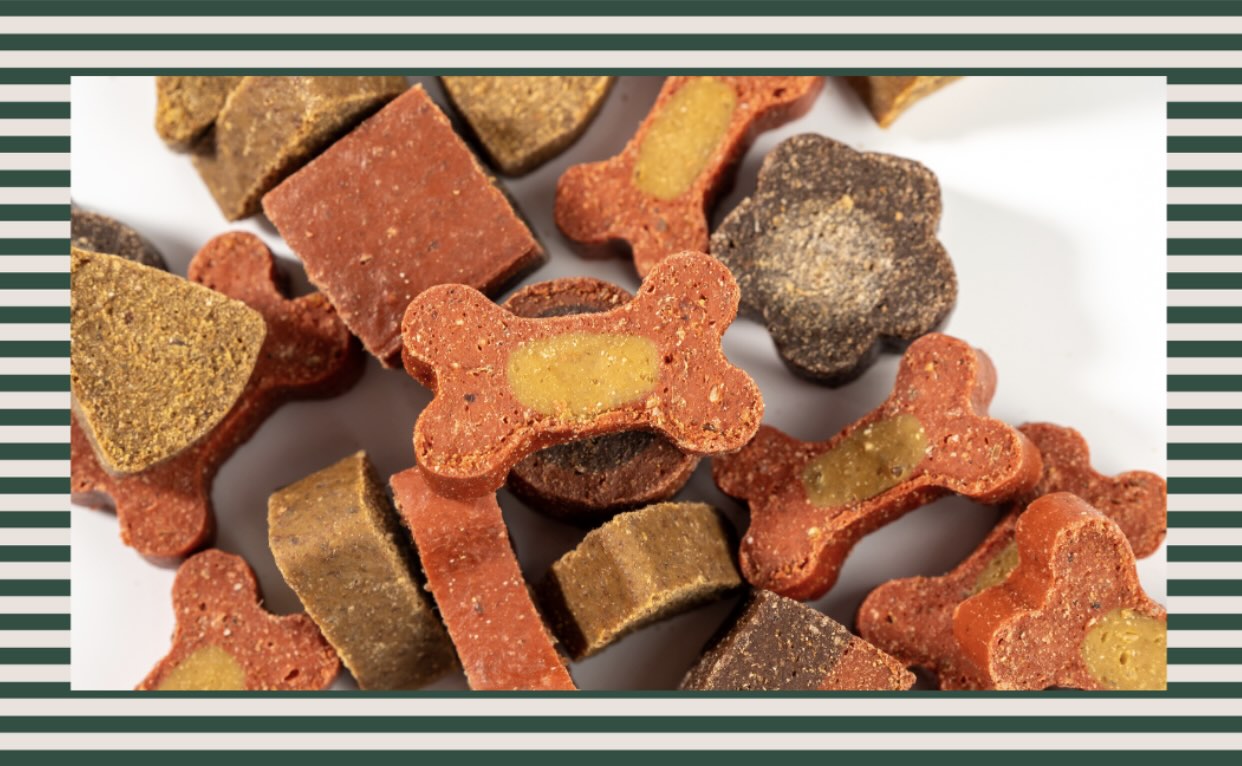
As your dog watches, lay out your different treats one by one. Try to place them an equal distance from your pup. If you only have three or four options, you can probably fit them all in front of your dog. If you’re experimenting with more than that? You might need to start curving them around to the sides.
Once everything is set up, release your dog!
Take note of which treats they go for first, and repeat the test as many times as you want.
You can make things even more fun by…
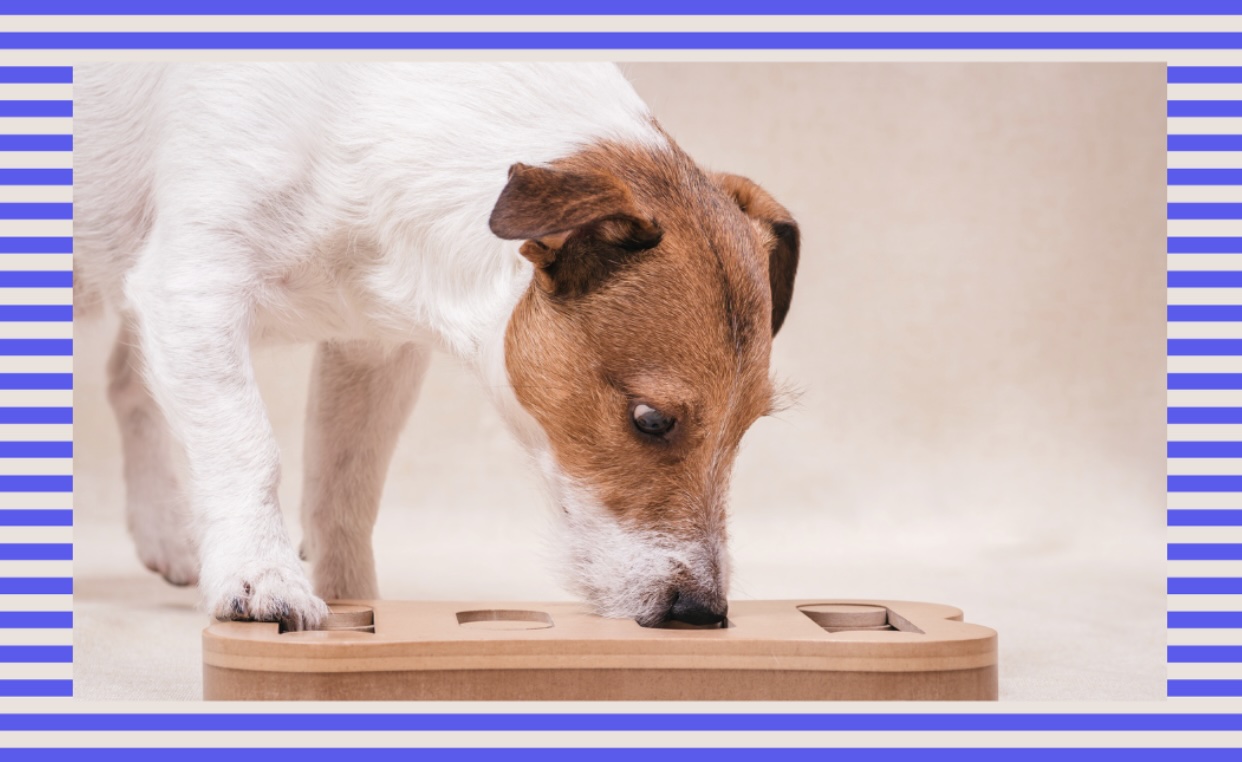
- Offering your dog the treats in different puzzle toys and changing up which food is in which toy. This can reveal their enrichment gadget preferences, too!
- Moving treats closer or farther from your dog’s starting point. If you think your pup consistently has a strong top choice, this is a fun way to test it out. Do they still go for that treat if it’s a little harder to reach?
Make the most of your new knowledge!
If you really want to be scientific about this, you might run this treat test multiple times in multiple environments. That can really help you hone in on what your pup likes best!
If that sounds like way too much, don’t worry. We’re all having good fun here. Just ask yourself a few questions to make the most of your enrichment experiment:
- How quickly did your dog make their decisions? Some dogs sniff every offering before picking one. Others dive right in. This can give you insight into your pup’s personality atop their actual treat preferences.
- Did your pup eat all the treats in a line, from closest to farthest away? If so, they might have opted for convenience rather than true preference. No biggie. That right there tells you something about your dog: They’ll eat it all!
- Do you notice your dog’s food preferences outside of games like this one? Certain pups are extremely obvious about what they do and don’t like. My own dog, Scout, eats nearly everything we give her—but she’ll always gobble up certain parts of her meal first, picking around her least-favorite dry kibble until she has nothing else left. When it comes to treats, she’ll snatch her favorites from our hand quickly. If she’s less excited about our offering, she’ll sniff it cautiously first. Your unique pup might have their own tells!

What’s a Rich Text element?
The rich text element allows you to create and format headings, paragraphs, blockquotes, images, and video all in one place instead of having to add and format them individually. Just double-click and easily create content.

Static and dynamic content editing
Static and dynamic content editing
A rich text element can be used with static or dynamic content. For static content, just drop it into any page and begin editing. For dynamic content, add a rich text field to any collection and then connect a rich text element to that field in the settings panel. Voila!
How to customize formatting for each rich text
Headings, paragraphs, blockquotes, figures, images, and figure captions can all be styled after a class is added to the rich text element using the "When inside of" nested selector system.