



.avif)
Your once-quiet companion is now barking at everything they hear, see, and somehow sense beyond your own awareness. Your polite leash walker starts barking, lunging, or growling at strangers on daily adventures. Your potty-trained pup just soiled your favorite kitchen rug for the first time ever (and you’re afraid they’re going to do it again). Or maybe your independent, confident canine decided they won’t leave your side. Your high energy dog wants to sleep all day. Your social butterfly puppy hides behind you on walks.
If you’ve been through any of these situations or dozens of others, you get it: Sudden behavior shifts are stressful for both ends of the leash! We’ve experienced them firsthand—and we’ve got your back.
Here’s what to try if any of your dog’s normal behaviors change without warning.
First: Know your dog isn’t trying to bother you!
It’s hard when we’re in the throes of a new behavioral worry, but it’s important to remember that our dogs aren’t trying to give us a hard time. Sudden behavior changes are common for a whole slew of reasons—and not one of them is “manipulation” or “spite.”
Instead, think about your dog’s behavior as information. Abrupt shifts in our companions’ personalities, habits , and preferences often point to unmet needs, novel stressors, physical discomfort, or environmental mismatches. The best thing we can do is take a deep breath and approach the situation with as much curiosity as we can muster.
(We’re cheering for you.)
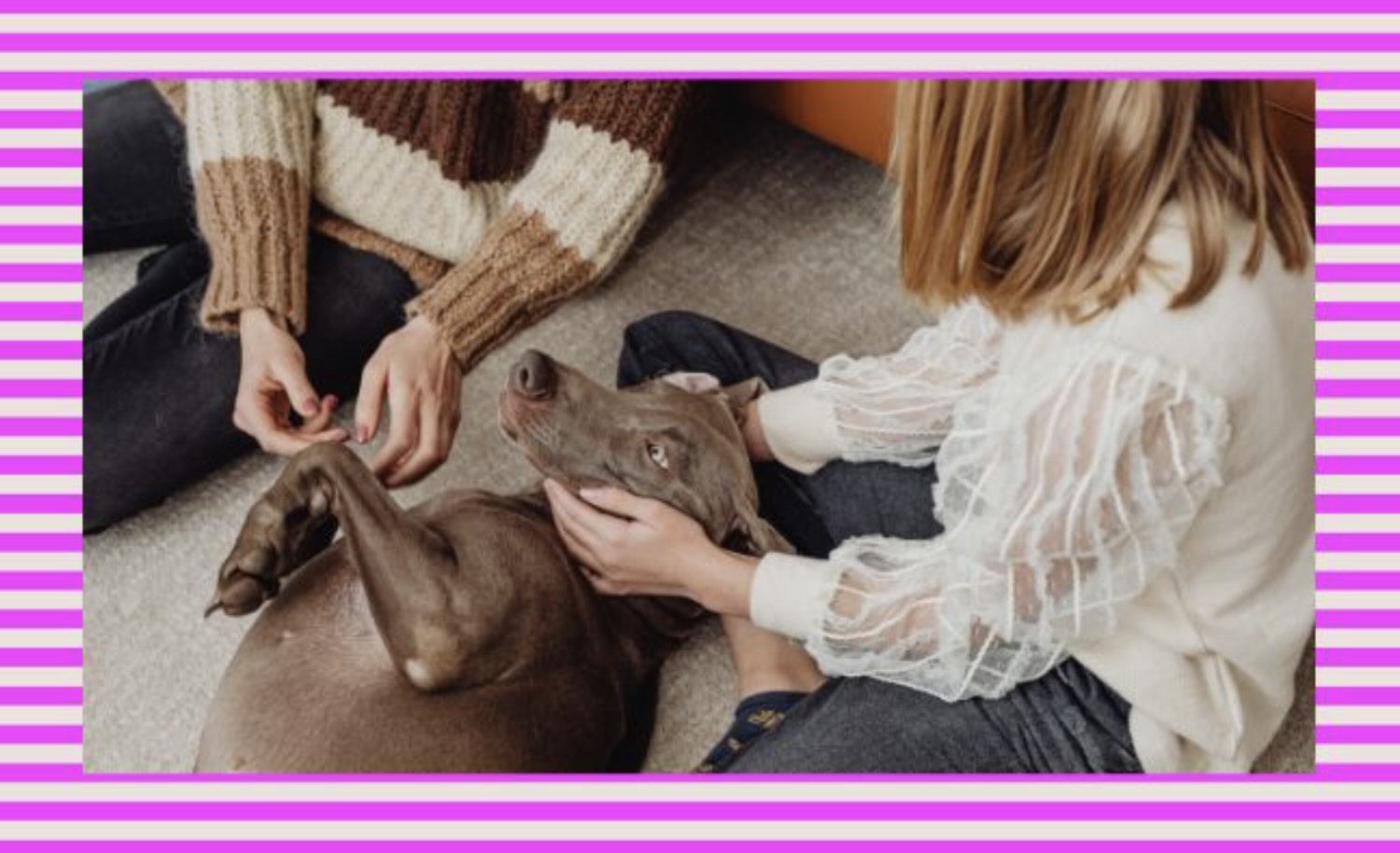
Second: Look for medical causes
Now that we’ve taken a moment to calm our frantic human brains down, it’s time to turn to potential health reasons behind our pets’ sudden shifts.
When new behaviors come on abruptly—rather than building over time—there’s a good chance they’re rooted in pain, illness, or neurological changes. And because canines tend to be pretty stoic about their discomfort, our dogs often end up communicating physical distress through behavior before obviously related medical symptoms appear. (A pup with arthritis in their hind legs, for example, won’t always yelp when they stand up!)
Signs your dog could be struggling with something beneath the surface include:
- Increased irritability
- “Out of nowhere” aggression
- Potty training regression
- Restlessness
- Trouble sleeping (or all of a sudden sleeping way more than usual)
- Avoiding affection they usually like
- Eating less
- Vocalizing more often
If your pup shows any of these symptoms, it’s worth asking your vet if they might be dealing with an underlying medical problem. Health concerns range from super simple and treatable (like ear infections, UTIs, and many acute dental issues) to more complex (orthopedic pain, chronic gastrointestinal discomfort, hearing or vision loss, allergies, cognitive decline, and more).
We don’t say this to scare you. Sometimes our pets’ behavior changes with no health impacts at all! (More on this next.) But if we want to come up with the most effective plan to get our four-legged family members back on track, we need to at least consider their physical wellbeing before diving into environmental- and training-related causes. Even the best training plan can’t fix veterinary cases.

Third: Make sure your pup feels fulfilled
Behavior changes often correlate with unmet needs. Our pups can struggle to deal with long-term gaps in their enrichment—leading to outbursts that seem sudden to us but have actually been brewing for a while. Our dogs require physical fulfillment (like appropriate exercise and opportunities to move naturally), mental fulfillment (including problem-solving activities, training games, and novel experiences), social fulfillment (quality time with us, satisfying interactions), and emotional fulfillment (like plenty of rest, decompression, and environmental predictability).
Although proper fulfillment won’t, by itself, fix sudden behavioral problems—especially if they have a more complicated root cause—it’s still one of the most important things you should work on to help your pup feel safe, secure, and ready to embark on larger training or lifestyle management plans. We’ve put together plenty of guides to help you enrich your pup’s life!

What’s a Rich Text element?
The rich text element allows you to create and format headings, paragraphs, blockquotes, images, and video all in one place instead of having to add and format them individually. Just double-click and easily create content.

Static and dynamic content editing
Static and dynamic content editing
A rich text element can be used with static or dynamic content. For static content, just drop it into any page and begin editing. For dynamic content, add a rich text field to any collection and then connect a rich text element to that field in the settings panel. Voila!
How to customize formatting for each rich text
Headings, paragraphs, blockquotes, figures, images, and figure captions can all be styled after a class is added to the rich text element using the "When inside of" nested selector system.
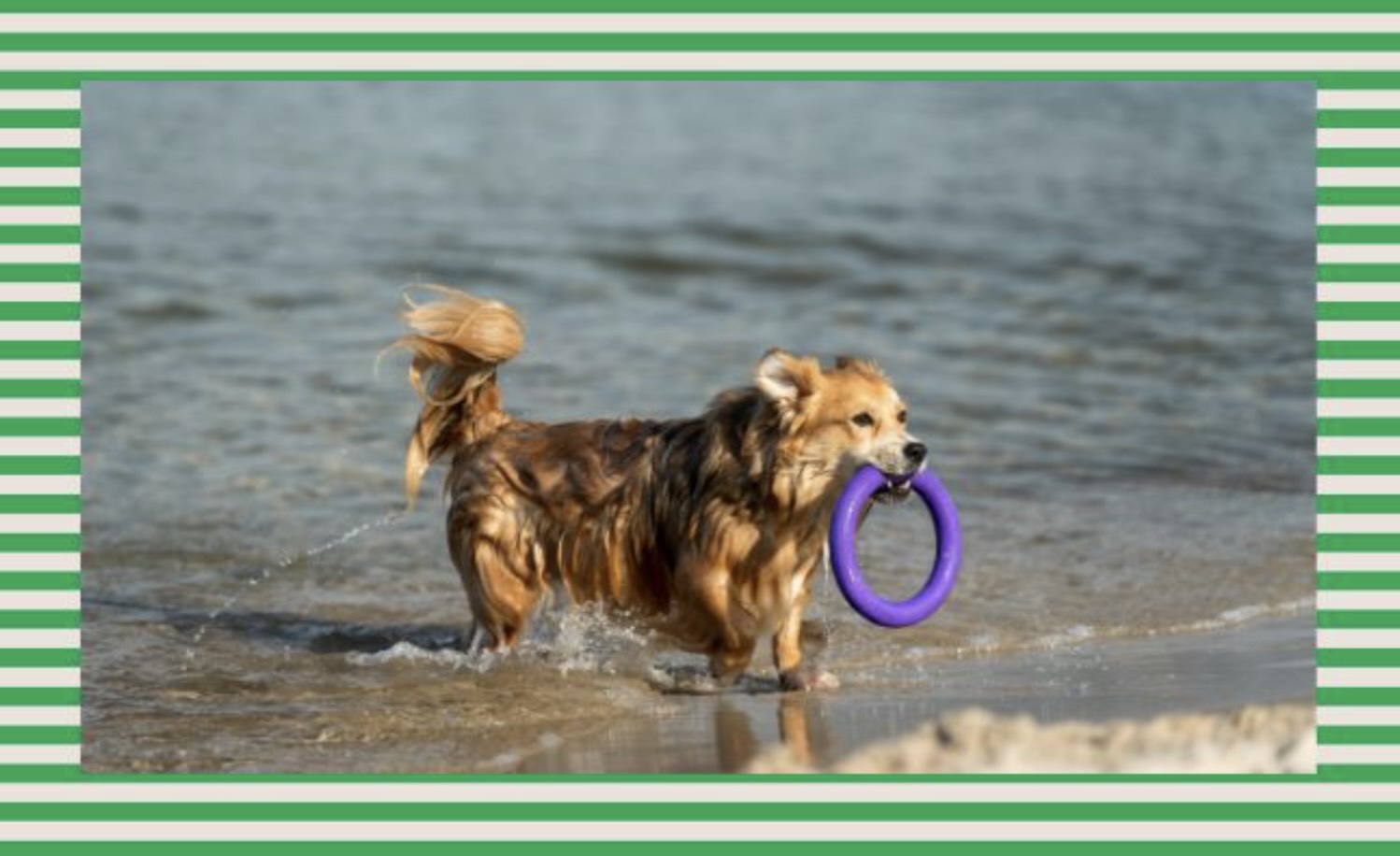
Fourth: Ask if your dog’s routine has changed
If your dog doesn’t show any signs of an underlying health condition, it’s possible they’re responding to a sudden shift in their routine or environment. Our companions are sensitive to change, so even subtle disruptions can affect their behavior in ways that feel outsized to us!
Ask yourself if…
- Your household’s schedule has shifted?
- You’ve been working different hours from normal?
- You’ve been working in the office when you usually work at home (or vice versa)?
- Someone has moved in or out of your household?
- You’ve welcomed home a new pet, baby, or other long-term guest?
- Your dogs’ exercise time and intensity has decreased? (Or increased—sometimes too much of a good thing can become a problem!)
- You’ve adopted a different feeding schedule than normal?
- You’ve been traveling (with or without your pup)?
- Your neighborhood’s experienced any uncommon construction projects or weather concerns?
When our dogs are reacting to a blip in their routines, there’s a good chance they’ll recover soon without drastic intervention. Go back to training basics and prioritize lots of fulfillment, rest, and social security with immediate family members in the meantime.
Consider general environmental stressors
Unlike the acute lifestyle changes noted above, general environmental stressors have a tendency to build up over time.
Take a good look (and listen) around your dog’s typical space. Do you notice any loud or persistent noises? Is there some reason your pup often gets woken up from their naps (like another pet or child coming to say hello)? Is it often hard for your dog to be able to predict what’s coming next in the day, including both favorite activities and ones they dislike? Are there strong smells you didn’t realize could affect a pup’s super-sensitive nose?
Oftentimes, eliminating unnecessary environmental stressors can help our dogs reset and get back to normal.
Put on your detective hat and look for patterns
Regardless of what behaviors have changed—and no matter your gut instinct about what you think might be causing them—it can be helpful to collect a little objective data to guide your decision making.
Take note of:
- When certain behaviors happen (specific time of day, during a certain part of your routine)
- Where they happen (room of house, area of yard, etc)
- Who is present when the behaviors take place (family members, other pets, strangers)
- What occurs immediately before the new behaviors (even small things are worth writing down!)
- Your dog’s basic needs: sleep, exercise, and food intake
This pattern tracking can help you identify in-the-moment triggers—and organizing your observations into categories can bypass your own emotional reactions, which might cloud your judgment. (Trust me: I’ve been there.) This way you can move forward with the most accurate info to best help your pup!

Fifth: Support your dog—and get support yourself when you need it!
If the above tips aren’t helping your pup make any progress—or if you’re worried about escalating aggression, reactivity, or other severe quality of life concerns—reach out to a professional dog trainer for support. They’ll ask you a bunch of questions about your pup, possibly visit your home environment to catch any details you might have missed, and ultimately help you come up with a plan to address sudden behavior changes once and for all!
In the meantime, make sure you’re:
- Adding predictability to your dog’s routine to help them feel less stressed
- Prioritizing rest and decompression for both of you
- Reducing overwhelming situations temporarily, if you’re able to (like walking at less busy times or in quieter areas)
- Using enrichment thoughtfully to fulfill your pup’s biological needs
- Lowering your expectations for your dog as you work together to identify and fix whatever’s going on
Hordes of us pet parents have been exactly where you are—and we’ve made it through. You’ve got this.